
Washington, DC-area engineering hub, serving agencies nationwide (703) 375-9990 info@itsroads.com ITSR family: ITSR AI and PYLON DC
Toll system engineering & technical support

Engineering and technical support for new and legacy toll systems

When a lane misbehaves, a reader drifts, a host queue backs up or the vendor answers only on request, toll agencies and their operators call ITS Roads. We troubleshoot, find temporary and permanent fixes, carry the overload, reverse-engineer what was never documented, and put your current and legacy systems under real-time monitoring so you are in the know.

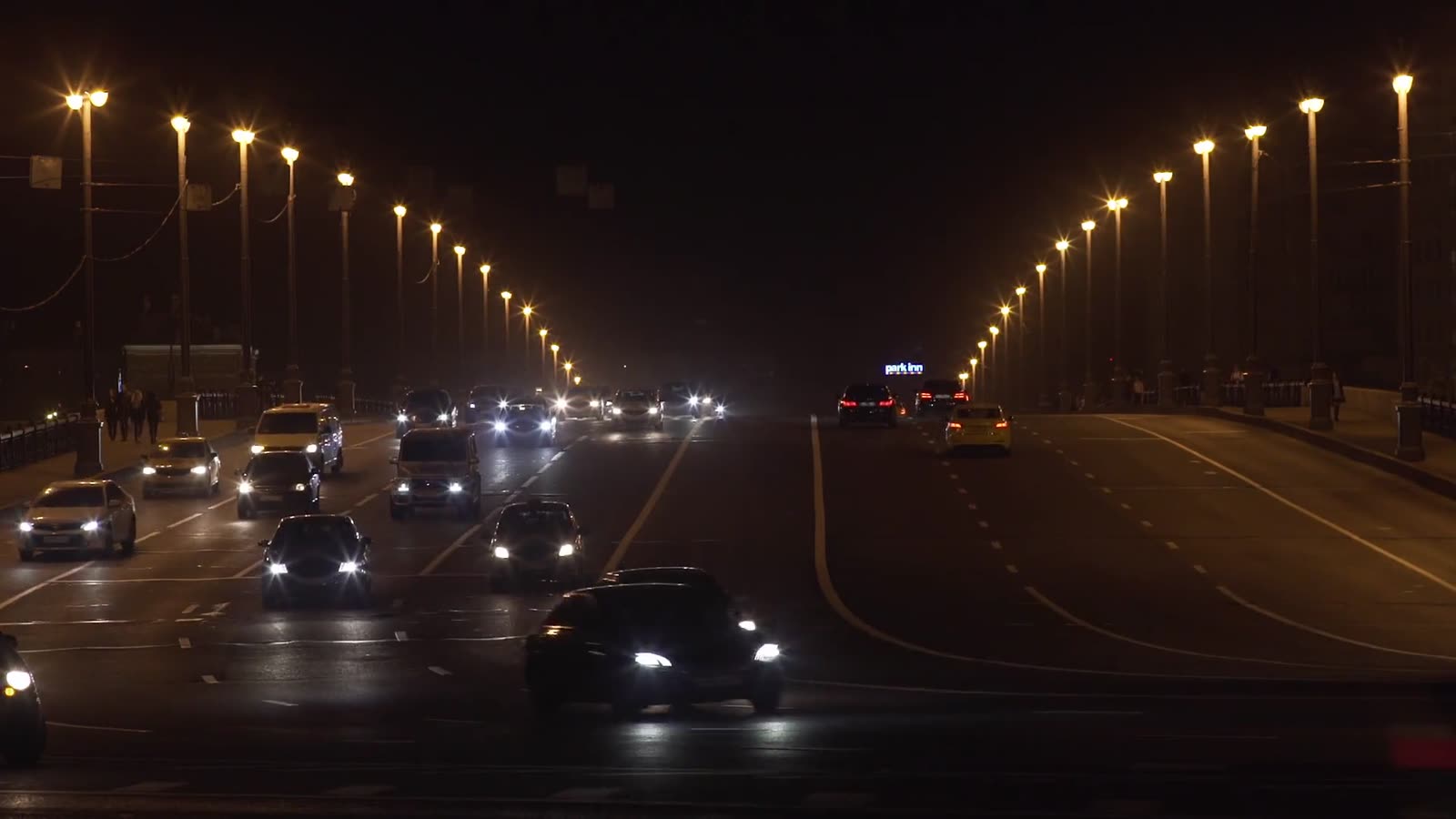
Video: ArtHouse Studio on Pexels
352toll facilities operated by 133 agencies and operators in 33 states[1]
6,700tolled centerline miles, more than half of them cashless[1]
$23 B+in annual toll revenue riding on lane electronics, hosts and back offices[1]
10 yrtypical design life specified for roadside readers; many lanes run longer[5]
Who we help

Toll agencies, concessionaires and the operators who keep lanes open

Nearly every new U.S. toll facility since 2010 is cashless, and more than half the country's tolled miles have no cash option[1]. That makes the roadside electronics, the hosts and the back office the revenue system itself. When something in that chain degrades, revenue leaks, violations pile up, and customer service hears about it first.

ITS Roads is an engineering firm, not a toll system integrator. We work for the agency, under the agency's direction, alongside whichever integrator built the system. Our engineers have designed, built, commissioned and maintained open road tolling, express lanes, plazas and hosts for Florida's Turnpike, the New Jersey Turnpike and Port Authority crossings, Bay Area bridges, Maryland's violation enforcement system and Southern California express lanes. We bring that bench to your lanes, remotely within hours and on site nationwide.

  • One-off problems that have resisted the usual fixes
  • Systems above the training or staffing level of the in-house O&M team
  • Legacy lanes whose vendor has moved on, merged or supports them only on request[7]
  • Agencies between systems: keeping the old one accurate while the replacement slips[8]
  • Owners who want to see every lane, reader, camera and queue in real time
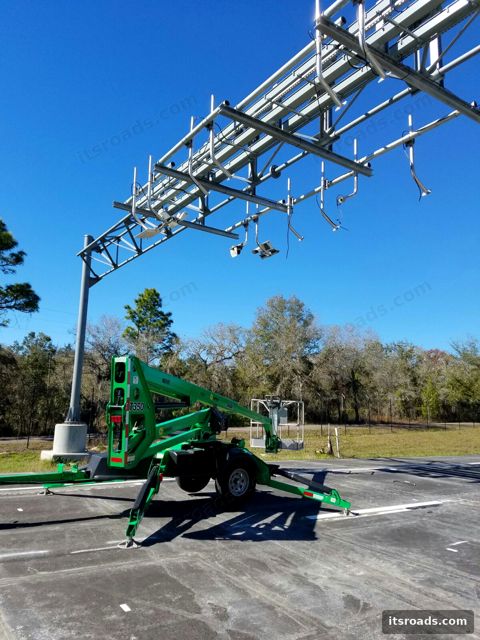
Toll gantry with readers and boom lift under blue sky
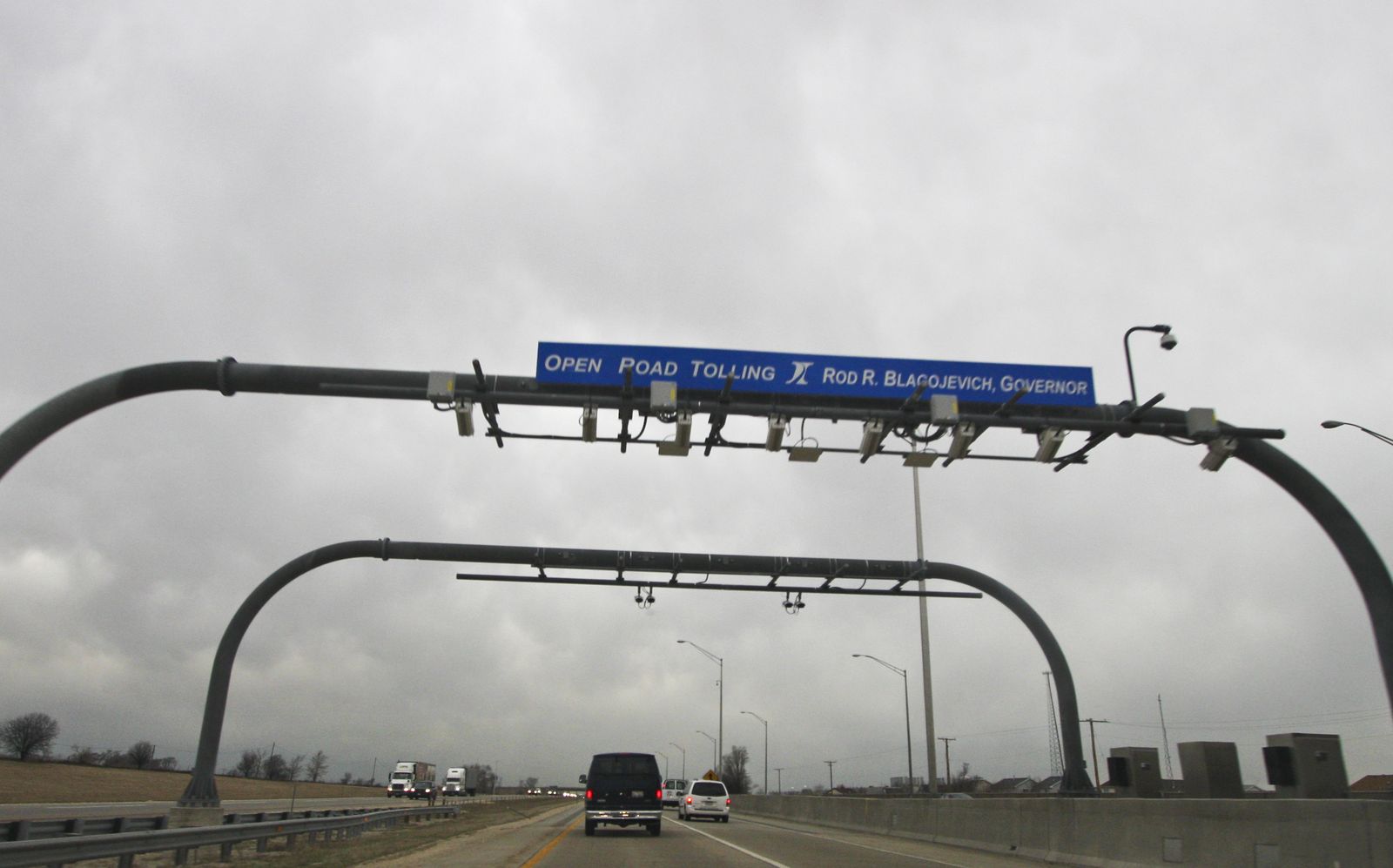
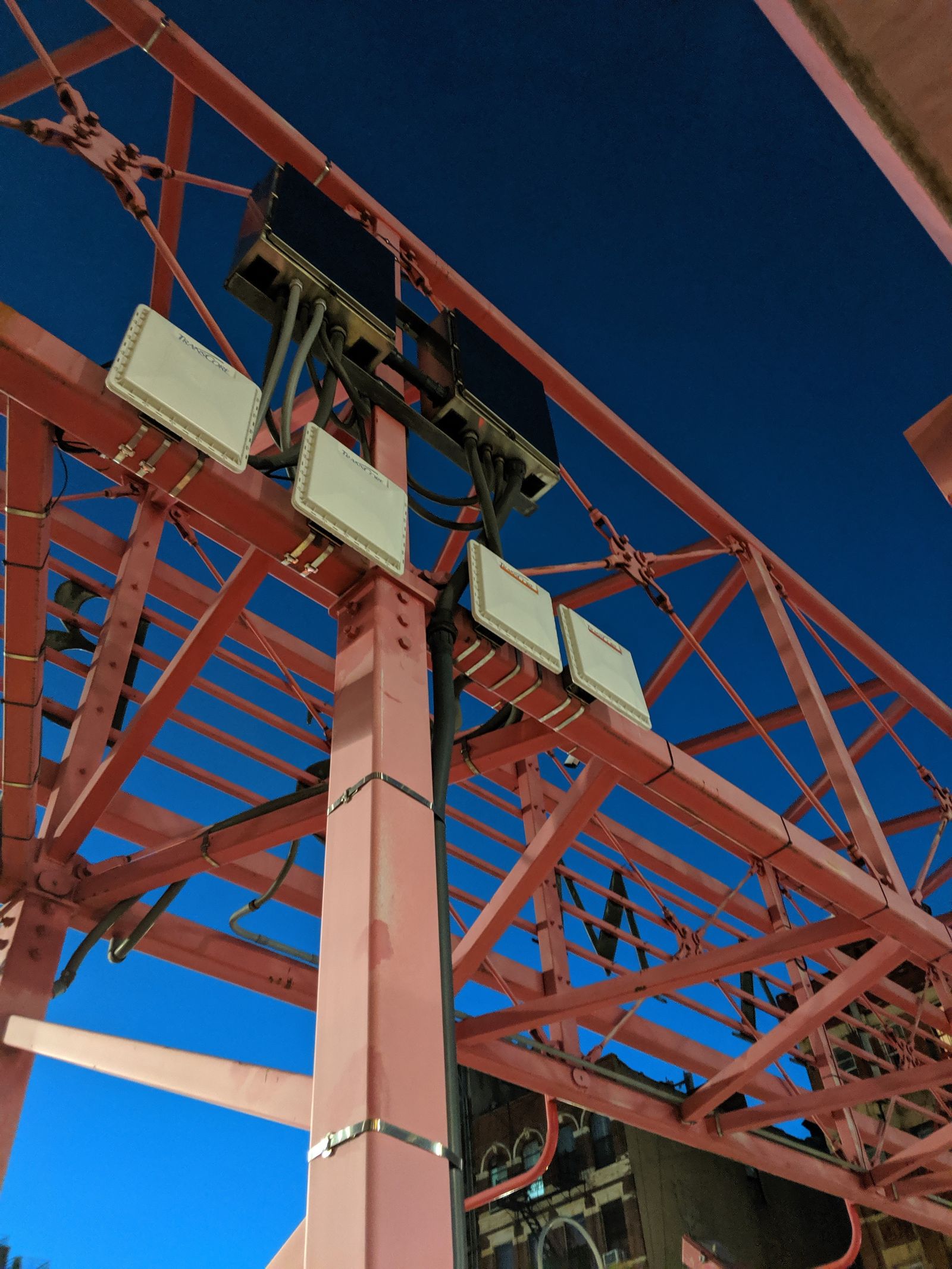
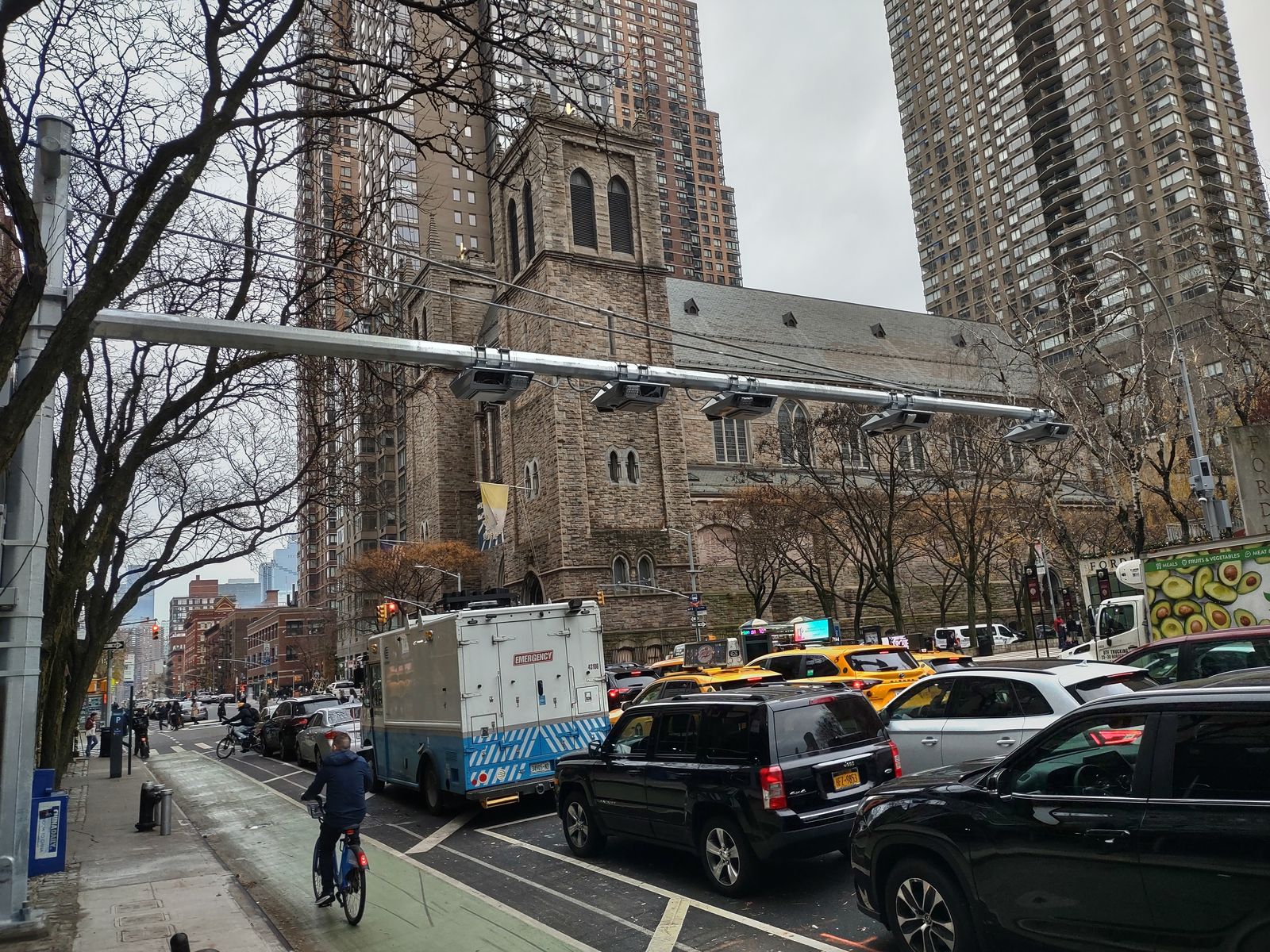
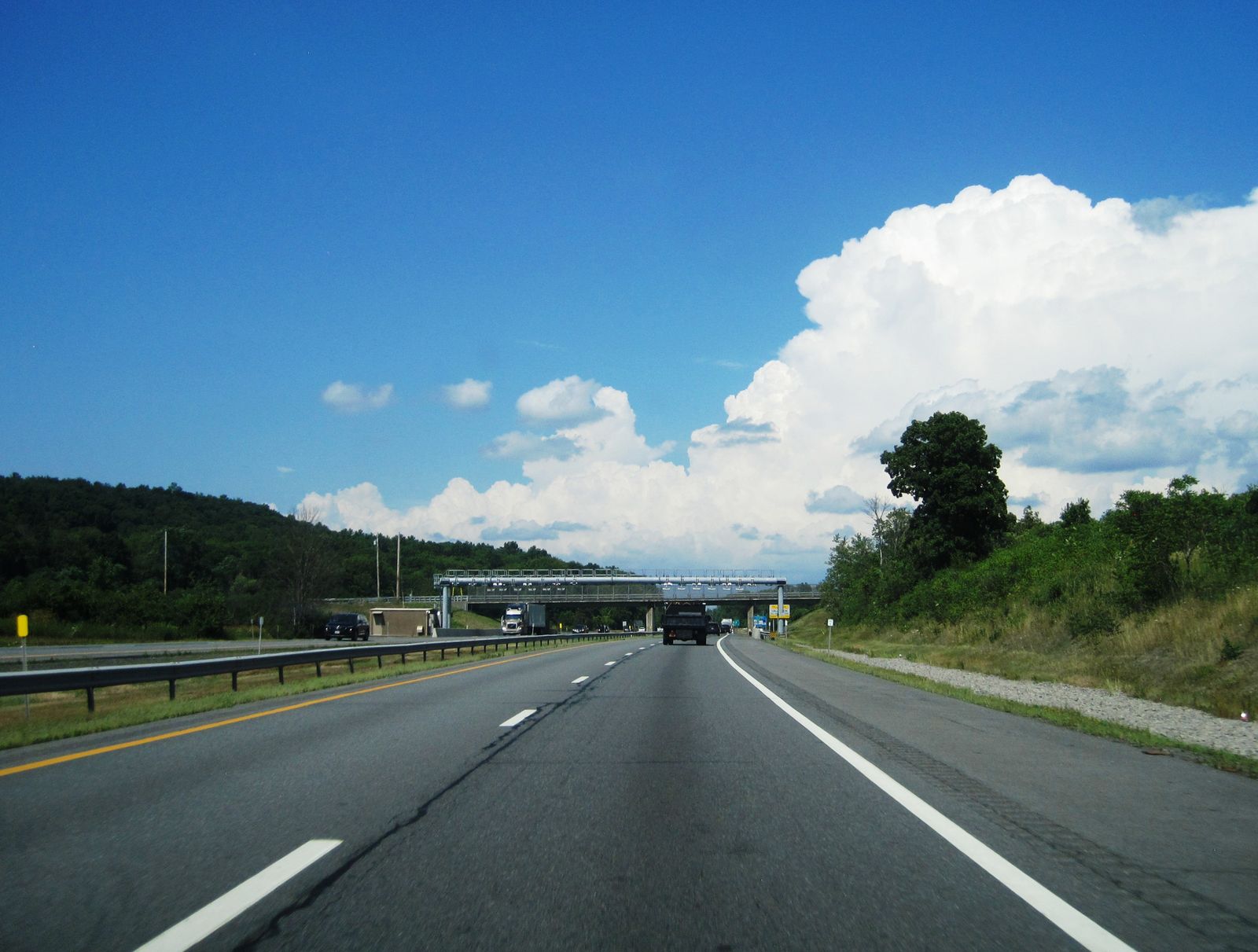
Tolling roadside and lane equipment: 16 photos from gantries, cabinets and the bench
What we fix

The faults toll operators bring us

Each of these has a quick containment and a durable fix. We do both and tell you which is which.

Reader and antenna faults

Intermittent reads, cross-lane reads, protocol transitions (6B or Title 21 to 6C, adding TDM for E-ZPass reciprocity), RF tuning, cable and connector degradation, read rates slipping below the 99.95 percent agencies specify[5].

Camera and plate-read decline

Image capture rate, focus and exposure drift, illuminator failure, trigger timing, OCR confidence trends and the image-review backlog they create. We measure before and after so the improvement is on the record.

Detection and classification

Loops aging under heavy truck volumes, splashover and pulse break-up, treadle and profiler faults, detector-versus-reader count mismatches that turn into misclassified transactions and disputed bills[19].

Lane controllers and hosts

Unsupported operating systems and industrial PCs, database bloat, stuck queues, time-sync drift between lane, host and back office, interface changes that silently broke a file transfer.

Back office and interoperability

Reconciliation gaps, tag-validation-list and transaction-file exchange failures with the E-ZPass, Southeast, CUSIOP and CTOC hubs, NIOP ICD conformance, functions that were never turned on after a migration[9].

Power, surge and environment

UPS and battery health, cabinet heat, grounding and surge protection on a gantry that is a lightning target by design[18], fiber and cellular link faults, and the remote access and segmentation the vendor needs without exposing the system[17].

Anatomy of a toll lane

Every element in the chain is something we have built, tested or fixed

Hover or tap a number. Open road tolling fuses tag reads, vehicle detection, classification and images into one transaction in the lane controller, then hands it to the host, the back office and the interoperability hub.

1 2 3 4 5 6 7 8
  1. AVI readers and antennas

    Multi-protocol readers for ISO 18000-63 (6C), TDM/IAG, SeGo and legacy 6B; antenna footprint, lane discrimination, RF power and tuning, OmniAir-certified equipment[12].

  2. License plate cameras and illuminators

    Front and rear capture, infrared illumination, trigger timing, OCR and image quality for video tolling and violation processing.

  3. Overhead vehicle detection and classification

    Laser and LiDAR profilers, 3D scanners and overhead detectors that separate vehicles and establish class and axle count at highway speed.

  4. In-pavement loops and treadles

    Presence and axle detection whose life is set by truck volume and pavement condition; the most common root cause of classification disputes[19].

  5. Roadside cabinet and lane controller

    Industrial PCs, I/O controllers, UPS, surge protection, environmental sensors, managed switches; where every event becomes a transaction, and where legacy obsolescence shows up first[6].

  6. Lane-to-host communications

    Fiber, cellular and LAN links, VPNs and time synchronization between lane, plaza and host; the layer we monitor with SNMP, ISO 15784-2 and NTCIP objects[14].

  7. Plaza host and back-office system

    Transaction processing, image review, account management, violation and pay-by-plate billing, reconciliation and reporting; where migrations and cutovers go wrong[11].

  8. Interoperability hub

    Tag validation lists and transaction files exchanged with E-ZPass, the Southeast, CUSIOP and CTOC hubs under the IBTTA NIOP ICD v2.1[2].

Overflow maintenance

When your O&M team cannot carry the workload, or the fault is above their training

Most agencies run a sensible model: in-house technicians do first-level swaps and preventive maintenance, and the system vendor supplements on request[7]. The model breaks when the queue outgrows the crew, when a fault needs a protocol analyzer rather than a spare, or when the vendor's response time is measured in weeks.

ITS Roads plugs into that model without changing it. We take the tickets your team cannot close: remote triage over your secure access, root-cause analysis, bench reproduction in our lab, a written containment step and a permanent fix with the evidence behind it. For recurring support we pre-stage spares, maintain the as-built documentation and track everything in your maintenance management system to the acknowledgement and resolution times in your contracts[20].

  • On-call engineering by the hour, the month or the incident
  • Preventive maintenance programs and spares strategy for aging lanes
  • Knowledge transfer: procedures and training so your team closes the next one
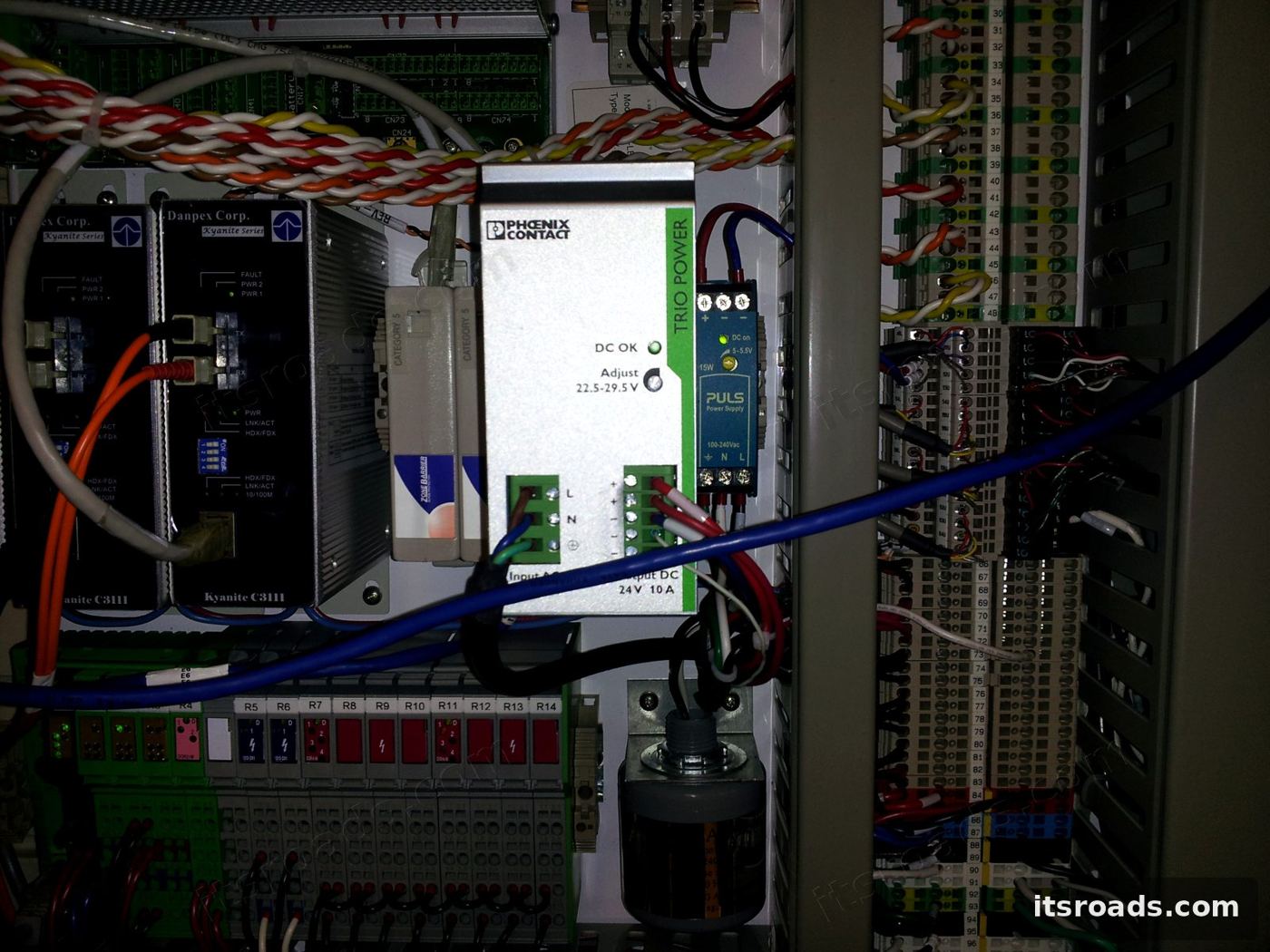
Toll lane cabinet power supplies and industrial I/O controllers on a bench
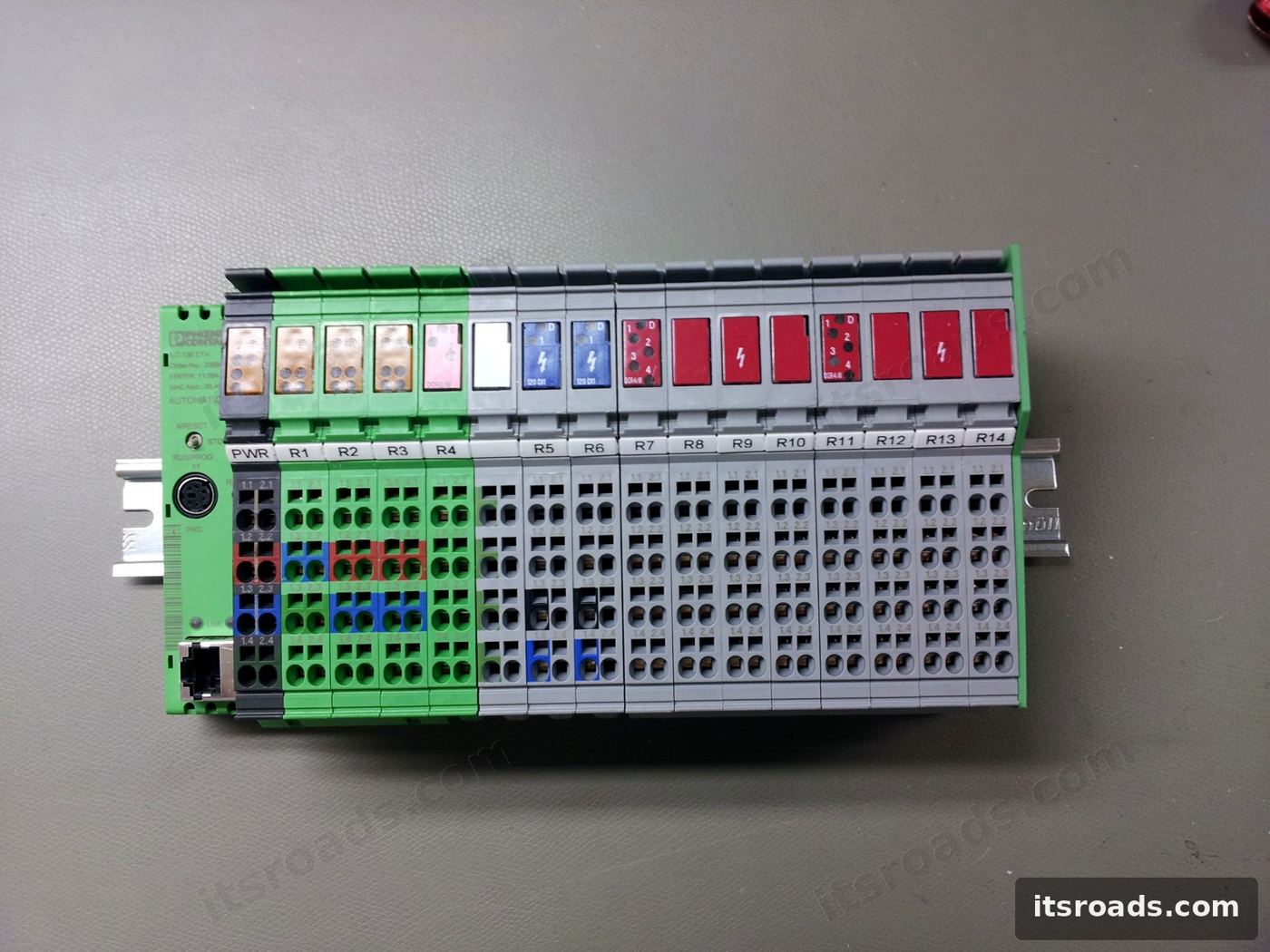
Toll lane I/O converted from discrete digital modules to industrial controllers with Modbus and SNMP, built and tested on our bench before the lane was touched.
Legacy systems

Reverse engineering, permanent fixes and a bridge to replacement

Toll electronics are specified for roughly ten years of service[5], and replacement programs routinely slip for years[8]. The result is lanes running on unsupported operating systems, proprietary serial protocols nobody documented, and vendors that no longer exist under the same name. The agency still owes its customers an accurate bill every day.

We capture the traffic on the wire, reconstruct the message formats and state machines, bench the component where we can, and write the documentation you were never given. From there we can specify a drop-in replacement, build an adapter, or simply keep the subsystem alive and watched until the new system is accepted. When the replacement arrives, that documentation becomes your interface control reference and your acceptance-test baseline.

Between systems? We also act as the owner's engineer during a cutover: parallel-run validation, data-migration checks that catch the functions nobody turned on[9], and independent verification before liquidated damages become the only remedy[11].
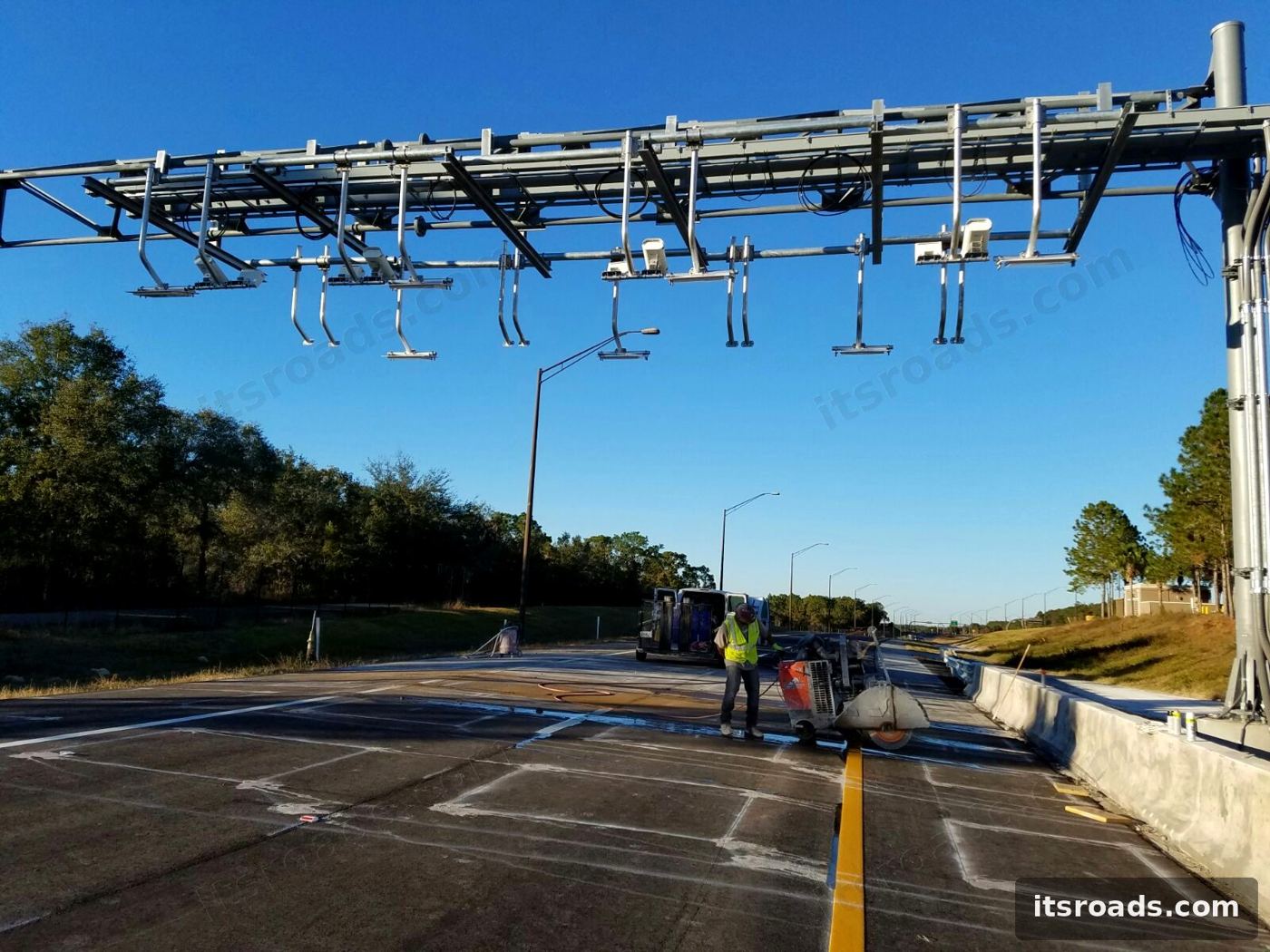
Toll gantry with readers, antennas and cameras seen from the roadside
Gantry equipment survey. More than two hundred photographs from one site fed a redesign package approved on first review.
Real-time monitoring

Know what every lane is doing, before the customer calls

Most toll systems report on themselves only through the integrator's maintenance console. We add an independent, vendor-neutral layer on top of your current and legacy systems using state-of-the-art open-source and commercial enterprise monitoring platforms: non-invasive collectors inside your network, outbound-only encrypted links, dashboards for operations and management, and monthly reports keyed to the KPIs in your contracts.

Where a device speaks SNMP we use it, with ISO 15784-2 and NTCIP objects for power, environmental and network equipment[14]. Where a lane controller or back office does not, we read syslog, vendor APIs, read-only database views and transaction files, and derive the health indicators that matter: read rate by protocol, image capture rate, detector-versus-reader mismatch, queue depth, hub exchange status and time offset.

Monitoring at scale, for every system you own

      • Lane statusRead rate by protocolImage capture rateOCR confidence trendDetector vs reader countsController health
      • UPS on batteryBattery healthTemperatureDoorSurge protector statePoE budget
      • Link stateLatency and lossOptical powerVPN tunnelsTime offset
      • Transaction throughputQueue depthImage review backlogHub file exchangesReconciliation exceptions
      • Lane availabilityRead accuracyCapture rateMTTA and MTTRTrend and ranking

Interactive: click a node to expand or collapse.

Field reference

Lanes like yours, from Boston to Seattle

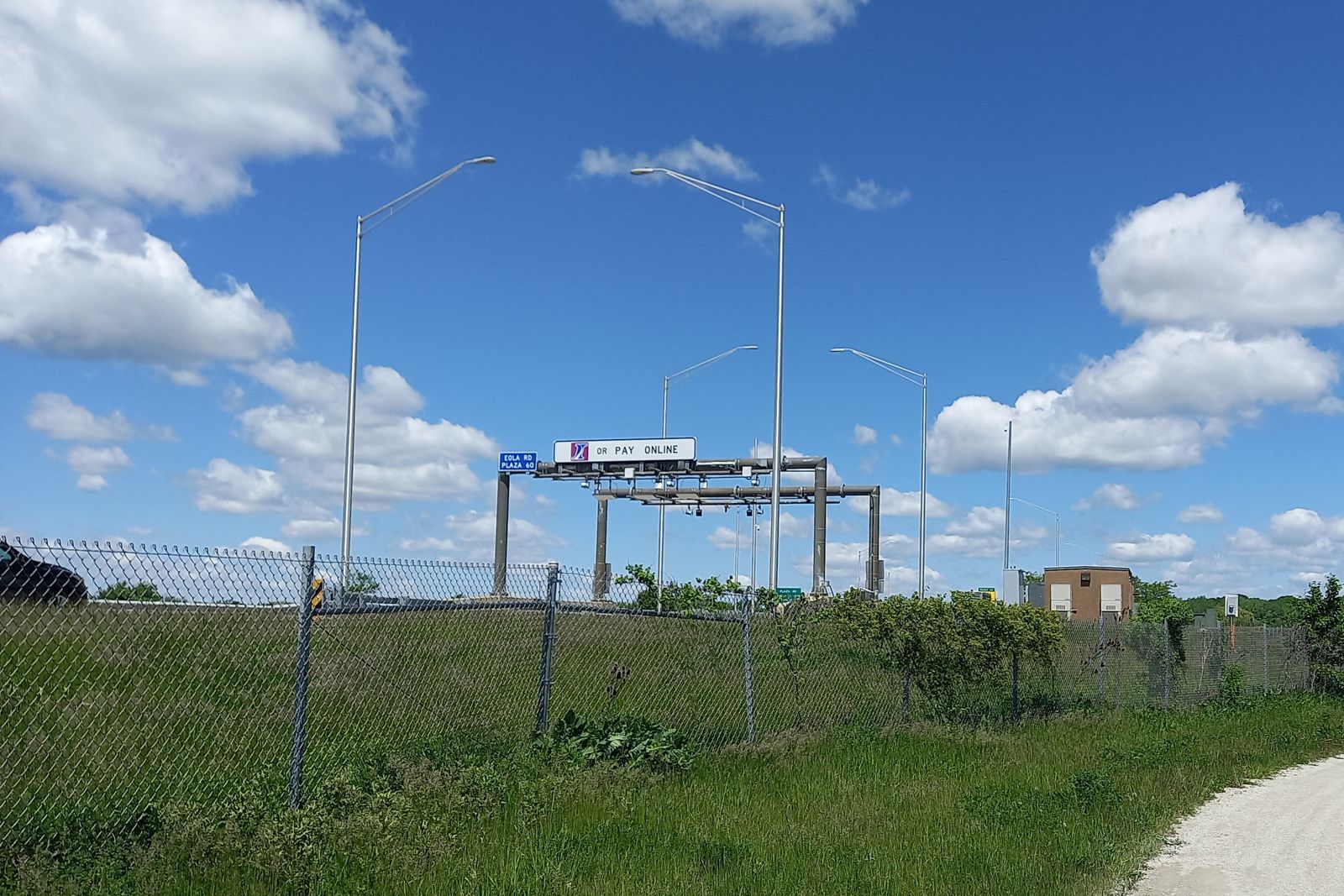
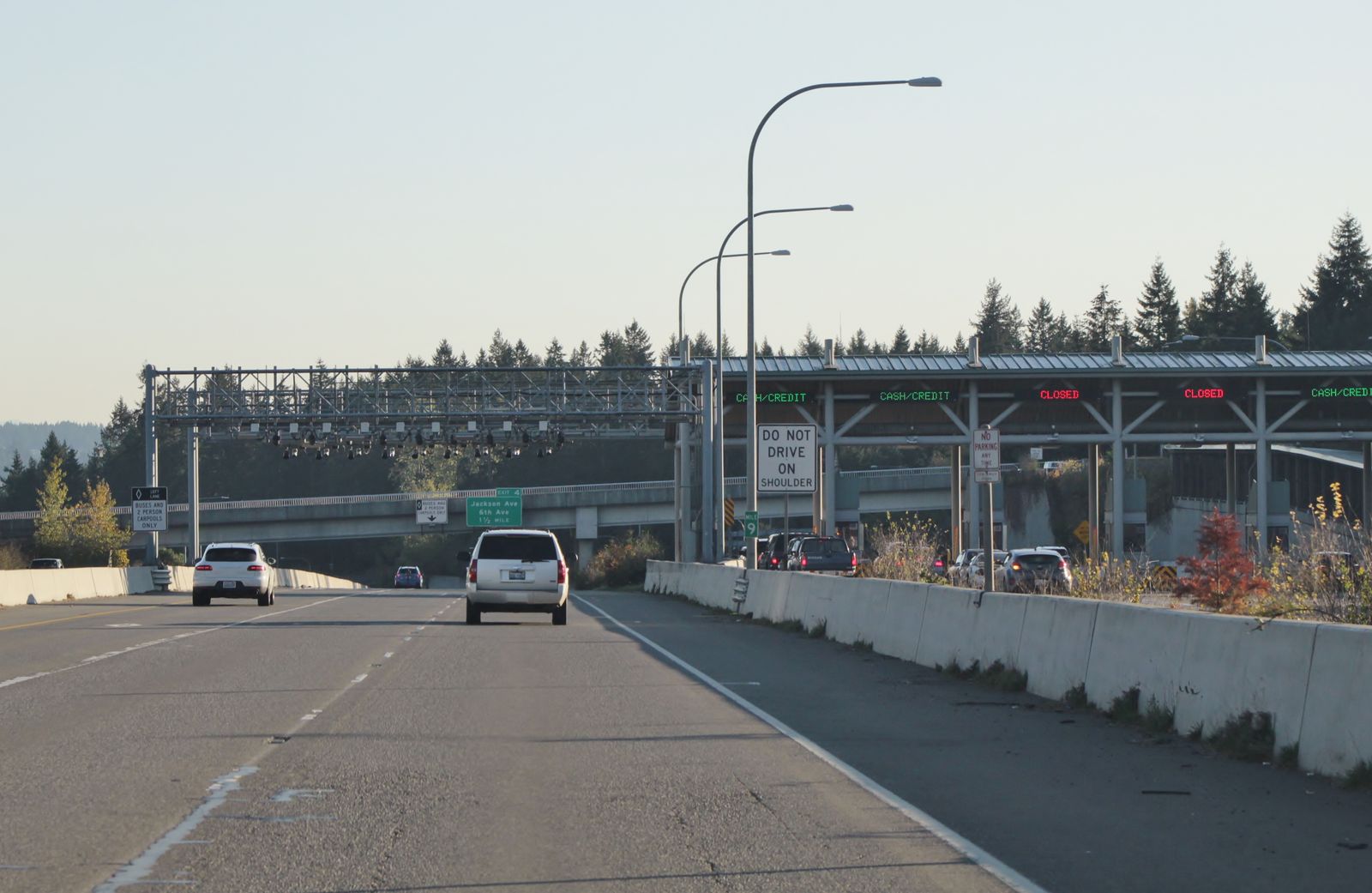
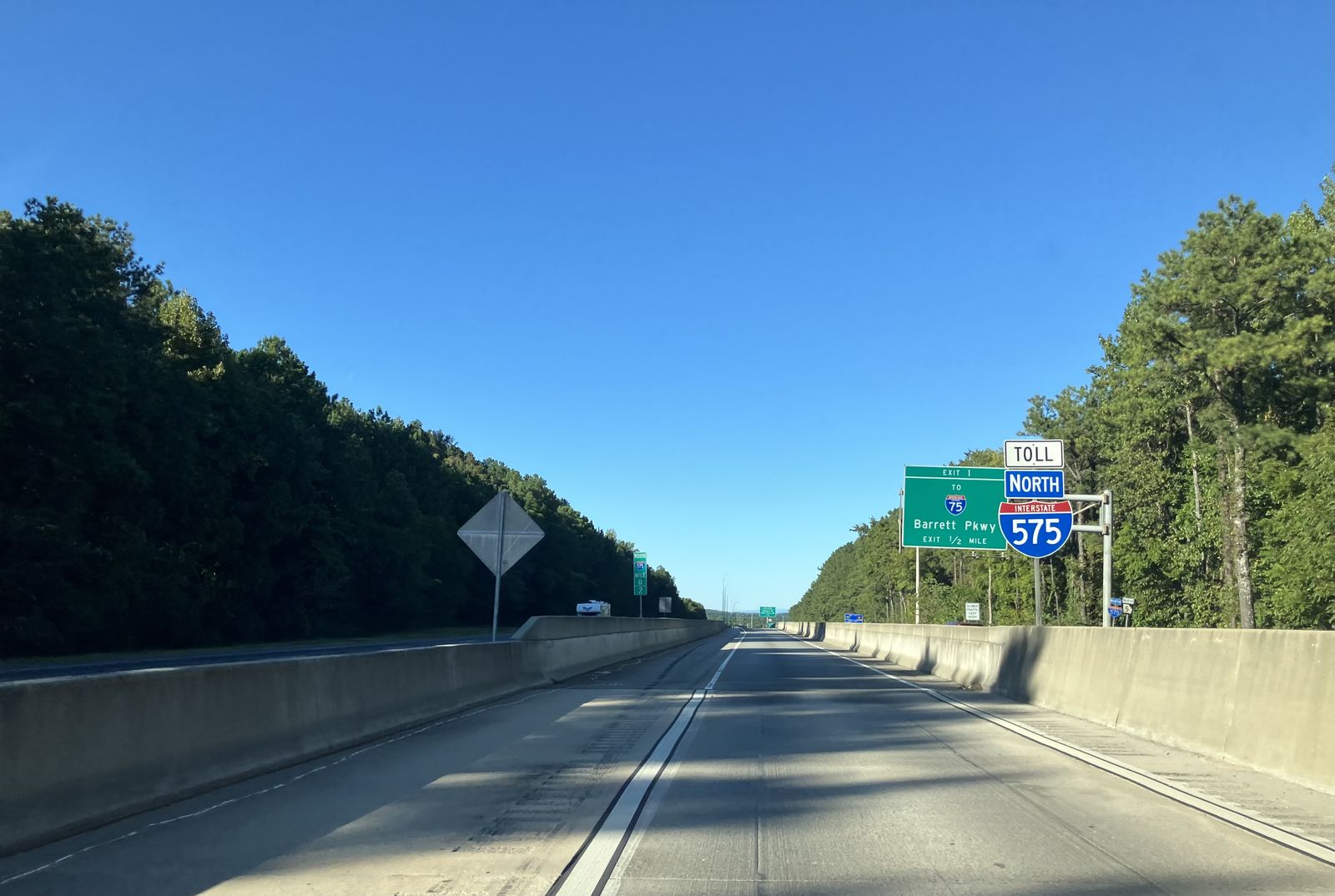
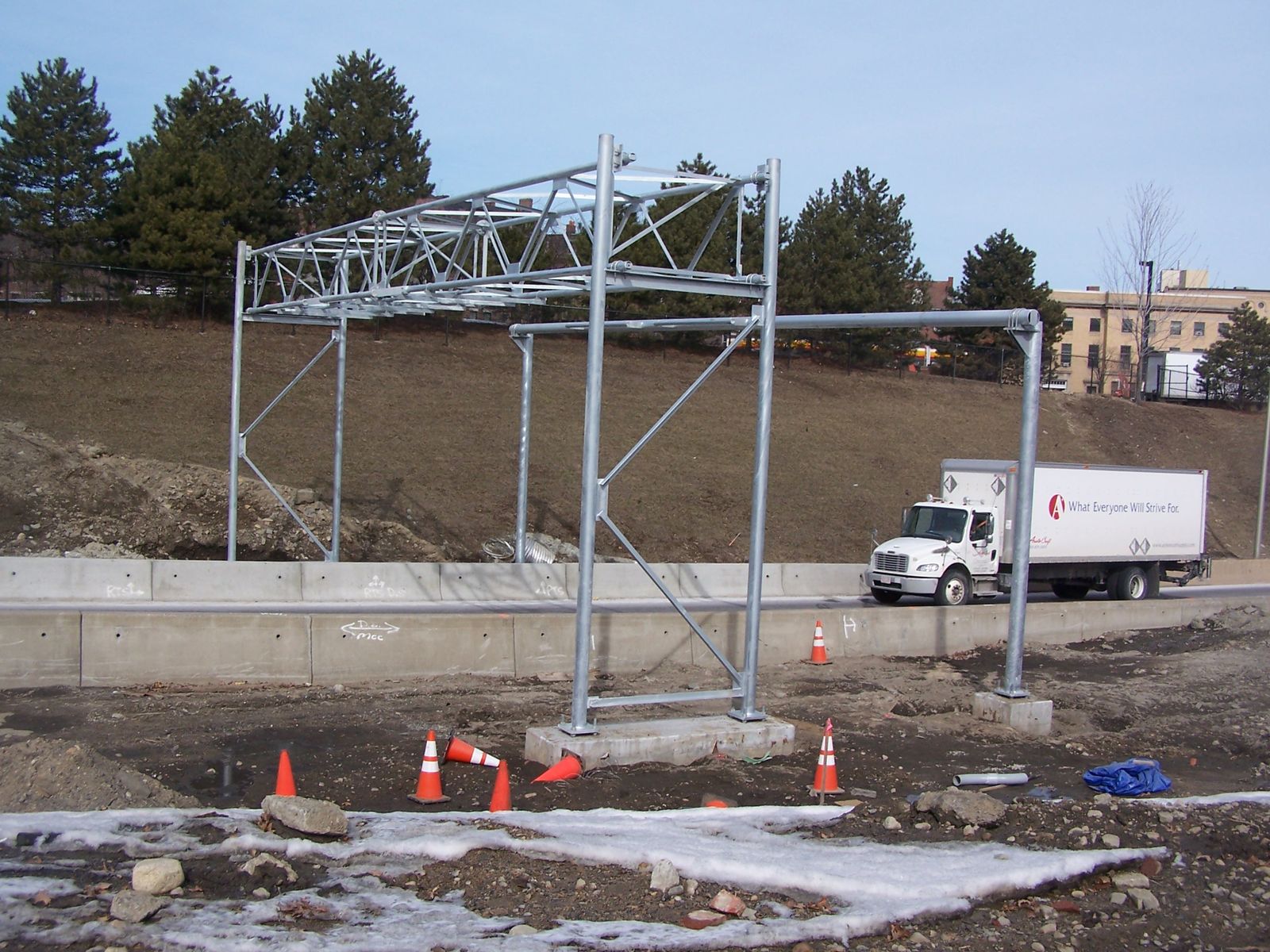
Every facility has its own vendors, protocols and history. The engineering problems repeat. Reference photographs of U.S. facilities, credited below each.

How an engagement works

From the first call to the permanent fix

Call or ticket

Describe the symptom, the lane and what has been tried. Same-business-day engineering response.

Remote triage

Over your secure access we read logs, counters and configurations and reproduce the fault where possible.

Containment

A documented temporary fix that stops the revenue leak or restores the lane while the root cause is confirmed.

Root cause

Bench reproduction in our lab, protocol capture, vendor engagement on your behalf, and a written finding.

Permanent fix

Replacement, adapter, configuration or procedure change, tested and installed under your change control.

Monitor and report

The subsystem goes under watch so the next deviation is caught before it becomes a complaint.

Standards and protocols

Fluent in the standards your systems and contracts are written to

Automatic vehicle identification

ISO 18000-63 (6C) and the 6C Toll Operators Coalition, TDM and IAG for E-ZPass reciprocity, SeGo, legacy ISO 18000-6B and Title 21, ASTM E2158 physical layer[16], OmniAir certification for 6C, 6B-80K and TDM[12].

Fee collection and interoperability

ISO 14906 application interface[15], ISO 17575 and 12813 for GNSS-based charging, IBTTA NIOP ICD v2.1 and business rules[2], hub file formats for E-ZPass, Southeast, CUSIOP and CTOC, MAP-21 Section 1512 interoperability[4].

Monitoring, security and compliance

ISO 15784-2 and NTCIP 1213 and 1204 for SNMP field data[14], RFC 1628 UPS-MIB, syslog and NetFlow, NIST Cybersecurity Framework per FHWA guidance[17], PCI DSS where payment data flows, FHWA Section 129 and priced managed-lane program requirements[21][22].

Past performance

Toll work our engineers have delivered

DIN-rail I/O controller assembled for a toll lane cabinet

Florida's Turnpike open road tolling

Cabinets pre-assembled in our lab, a proof-of-concept operational in under 45 days, 280 qualification test scenarios with zero errors, then lane and plaza host deployment and industrial I/O conversion.

Project summary
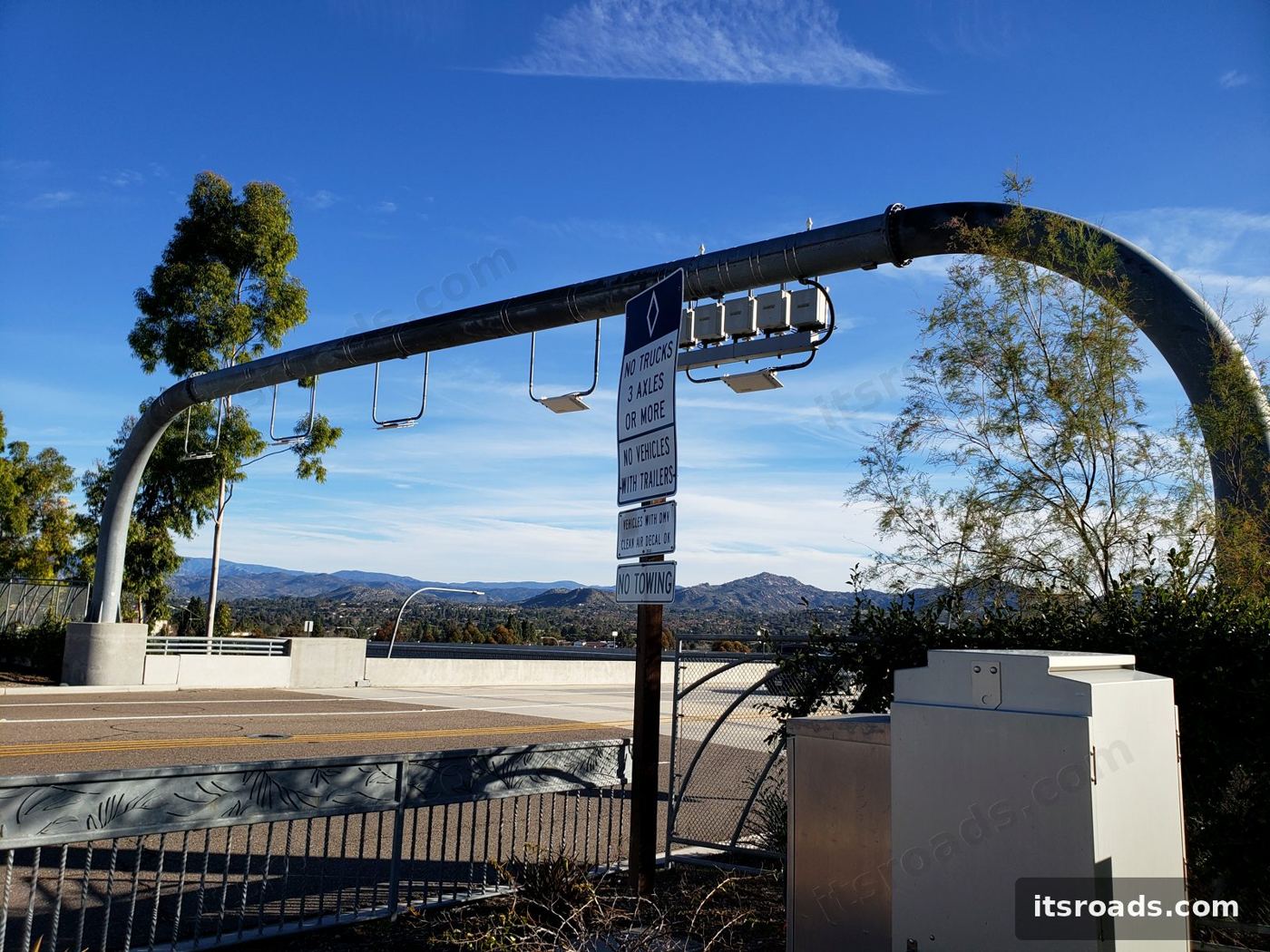
Express lanes toll gantry arch in San Diego

Southern California express lanes

Roadside and 99.999 percent availability host design, site surveys and multi-vendor equipment selection for OCTA, RCTC and SANDAG facilities, approved on first review.

Project summary
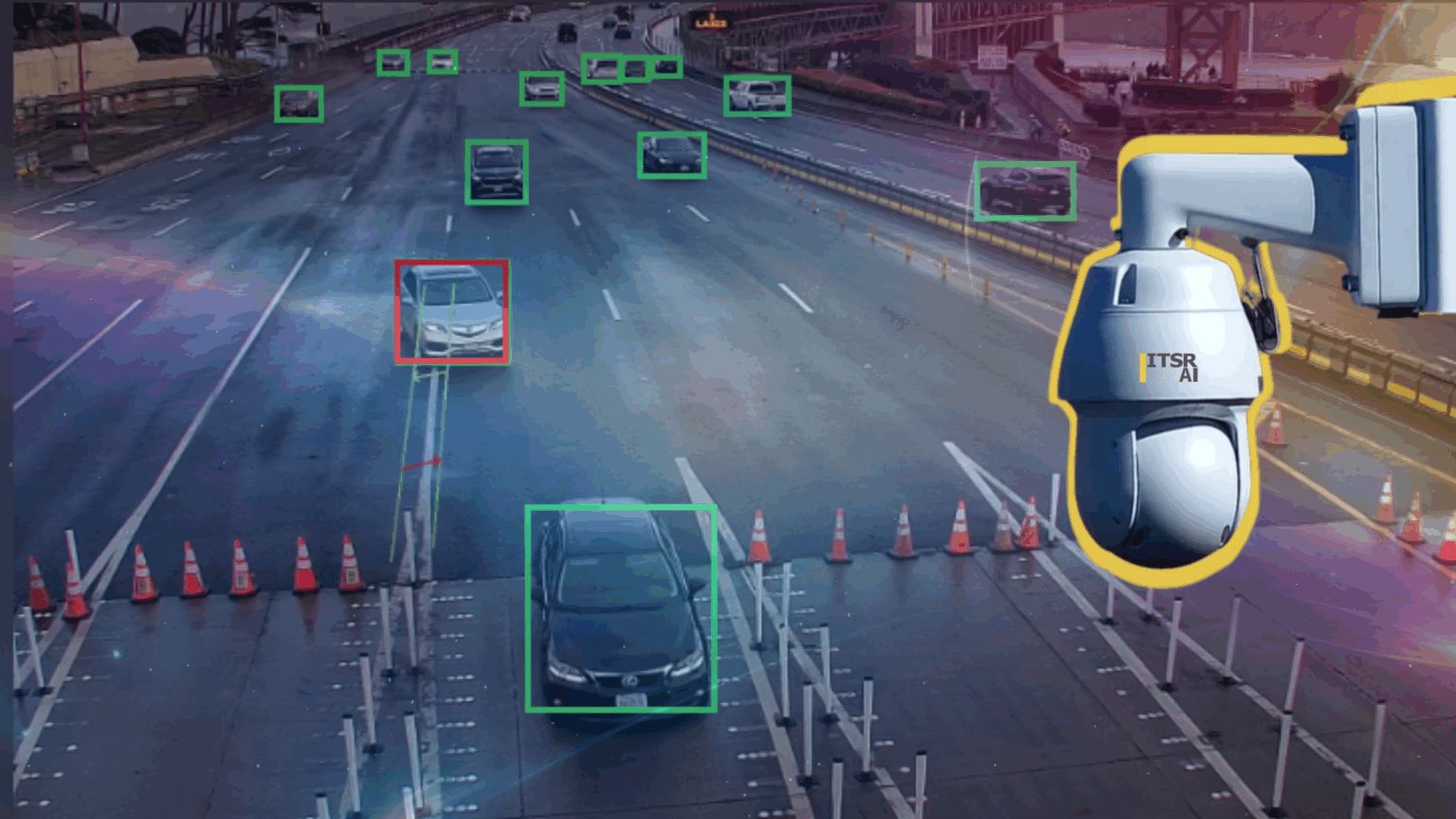
Vision AI detection overlay on vehicles approaching toll lanes

Landmark bridge corridor toll audit

An independent camera-vision count and classification running 24/7 against the toll system, and roadside consulting on the authority's replacement toll system procurement.

Project summary

Design-side services for new systems, from requirements and RFP packages to host architecture and acceptance testing, are described under tolling engineering support.

Questions toll operators ask

Toll system support FAQ

Do you support legacy toll systems, not just new ones?

Yes. Roadside toll readers are typically specified with a ten-year design life, and agencies have reported lane computers and software that were no longer supported within nine years of installation. We keep those lanes running, document what was never documented, add monitoring so you can see them, and plan the path to replacement on your schedule rather than a vendor's.

Our vendor only helps on request and our maintenance crew is stretched. Can you fill the gap?

Yes. Agency technicians doing first-level swaps while the system vendor supplements per request is a common model. ITS Roads provides overflow engineering for the faults that are beyond your team's tools or training: remotely first, then on site, under your direction and your change-control process.

What protocols and equipment do you work with?

ISO 18000-63 (6C), TDM and IAG (E-ZPass), SeGo and legacy ISO 18000-6B readers and antennas; license-plate recognition cameras and illuminators; inductive loops, treadles, laser and LiDAR profilers and overhead vehicle detection; lane and zone controllers; plaza and roadside hosts; back-office interfaces; cabinet power, UPS and surge protection; and the fiber, cellular and LAN networks that tie them together.

Can you reverse-engineer an undocumented subsystem?

Yes. We capture serial and network traffic, reconstruct message formats and state machines, bench the component in our lab where possible, and produce the documentation you were never given, so the fault can be diagnosed, the subsystem can be monitored, and a permanent fix or replacement can be specified.

What does real-time monitoring of a toll system cover?

Lane and zone status, reader health and read rate by protocol, camera and illuminator health and image-capture rate, detector-versus-reader count mismatches, host and back-office queue depth, interoperability file exchanges, UPS and battery state, cabinet temperature and door, network links and time-sync offset. We collect with SNMP, syslog, vendor APIs and read-only database views, and report against the KPIs in your contract.

Will your involvement affect our integrator's warranty or SLA?

We work alongside your system integrator under your direction. We use non-invasive diagnostics first, record every finding and change, and keep warranty and KPI responsibilities clear in writing before we touch production equipment.

Can you help with interoperability problems: NIOP, E-ZPass, 6C, hub file exchanges?

Yes. Tag-validation-list and transaction-file exchange failures, reconciliation mismatches, reader certification and protocol-transition issues are engineering problems we have worked on both sides of, aligned to the IBTTA NIOP interface control document and the OmniAir certification programs.

Do you address cybersecurity on roadside and back-office networks?

Yes. Segmentation and DMZ isolation for vendor remote access, hardened monitoring collectors, NIST Cybersecurity Framework alignment following FHWA's transportation management center guidance, and PCI DSS considerations where payment data is handled.

Where are you, and how fast can you respond?

Our engineering lab and network operations center are in Northern Virginia, nine miles from Washington, DC. Remote triage normally begins the same business day. For on-site work we travel nationwide, and for recurring support we pre-stage spares and remote access so most issues never require a truck roll.

Sources and further reading
  1. IBTTA, U.S. tolling overview (TollMiner data presented April 2025): 33 states, 133 operators, 352 facilities, 6,700 centerline miles, more than $23 billion in annual toll revenue; 98% of facilities opened since 2010 are cashless; 72 priced managed-lane facilities
  2. IBTTA, Nationwide Interoperability (NIOP) program and Interface Control Document v2.1 (December 2025)
  3. E-ZPass Group: 20 states, more than 64 million devices in circulation
  4. MAP-21 Section 1512 interoperability requirement, IBTTA testimony to the House Committee on Oversight (2015)
  5. TxDOT request for information, triple-protocol toll readers: 99.95% read success, 10-year design life, 30,000-hour MTBF, OmniAir 6C certification
  6. Maine Turnpike Authority staff report (2014): 2005 lane electronics 'no longer supported'
  7. Greater New Orleans Expressway Commission, toll system replacement RFI (2024): agency staff maintain legacy roadside with vendor help 'on a per-request basis'
  8. Washington State Auditor, WSDOT toll system replacement performance audit summary (2023)
  9. SANDAG Office of the Independent Performance Auditor, SR 125 toll operations (2024)
  10. Maryland Matters: MDTA toll transaction backlog after vendor cutover (2021)
  11. FDOT Inspector General findings on the 2018 SunPass back-office cutover (ClickOrlando, 2019)
  12. OmniAir Consortium, tolling certification programs: ISO 18000-63 (6C), 6B-80K and TDM
  13. IBTTA press release: California adopts 6C as the statewide interoperable protocol, Title 21 phase-out by January 2024
  14. ISO 15784-2:2024, centre-to-field SNMP data exchange for ITS roadside devices
  15. ISO 14906:2022, electronic fee collection application interface over DSRC
  16. USDOT ITS Standards fact sheet: ASTM E2158-01, 902-928 MHz DSRC physical layer
  17. FHWA, Transportation Management Center cybersecurity guidance (NIST CSF, DMZ isolation of vendor systems)
  18. DEHN white paper: lightning and surge protection for overhead gantries
  19. ASCE Journal of Infrastructure Systems: inductive loop detector life and failure modes
  20. North Carolina Turnpike Authority RFP addendum: maintenance online management system acknowledgement within 30 minutes
  21. FHWA Center for Innovative Finance Support: Section 129 general tolling program
  22. FHWA Office of Operations: congestion pricing and priced managed lanes

A lane, a reader, a host or a back office is misbehaving?

Call (703) 375-9990 or send the symptom. An engineer, not a sales desk, will respond.

Open a support request