Washington, DC-area engineering hub, serving agencies nationwide (703) 375-9990 info@itsroads.com ITSR family: ITSR AI and PYLON DC
Projects

Projects and past performance

Selected work since 2015, plus the programs our principal led before founding the firm. Client names are shown where we have permission; details that belong to our clients stay with them.

16 projects

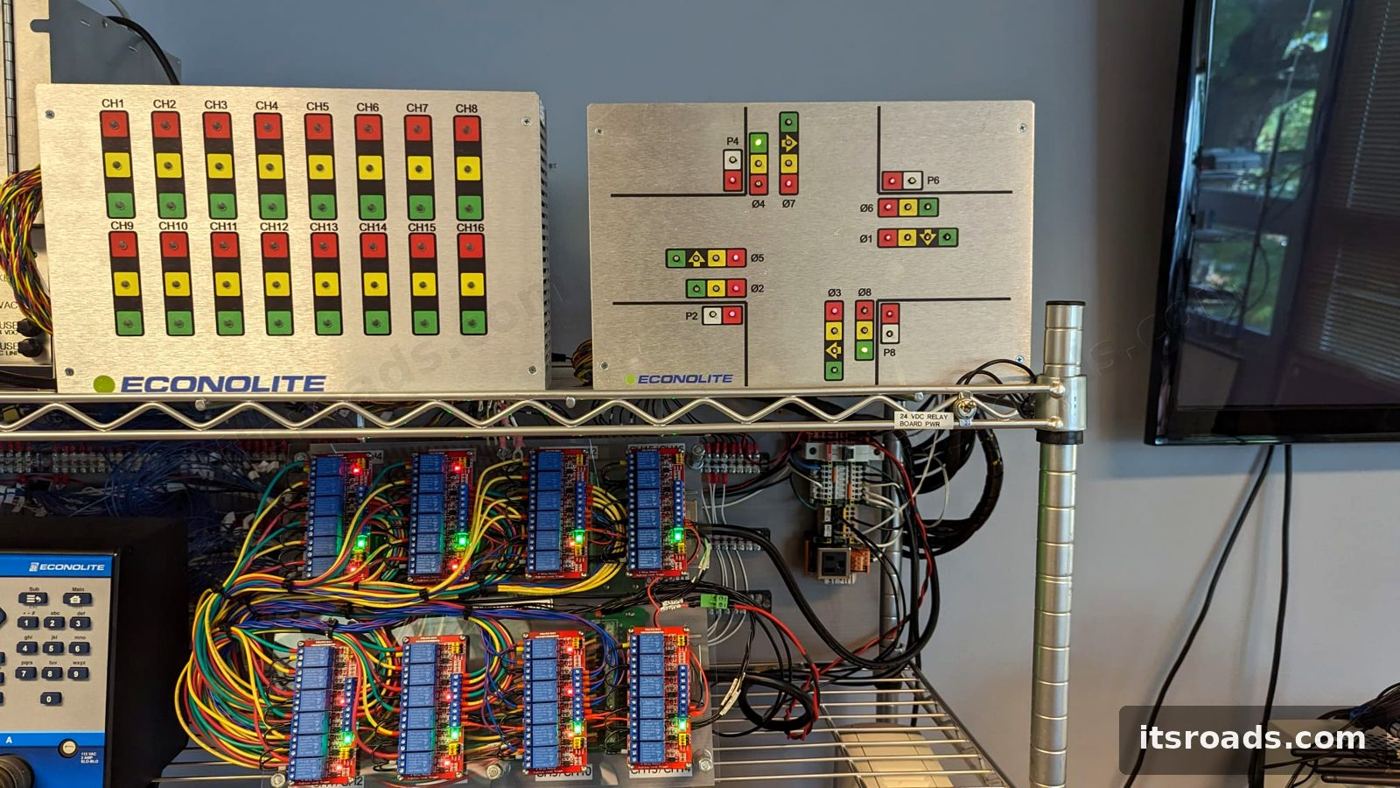
RSU test bench with I/O panel in the ITS Roads lab

Colorado DOT statewide connected-vehicle network: RSU standards testing, monitoring and management

Client: Colorado Department of Transportation, through the Covendis state marketplaceLocation: Denver metro, I-25, I-70, C-470/E-470 corridors; bench work at our Northern Virginia labDates: 2023 to presentRole: Technical lead, test plan author, monitoring platform owner

CDOT needed vendor accountability as its connected-vehicle roadside network grew: an external source of test data, a dedicated focus on integrated performance, and hands-on guidance for agency technical staff. ITS Roads wrote the RSU provisioning guides, bench and field test cases and a custom test plan, then built an instrumented test bench at our Northern Virginia lab where roadside units from two manufacturers were provisioned and exercised.

The published test-case document covers roughly 180 NTCIP 1218 Section 5 objects over SNMPv3 with a full requirements traceability matrix. For operations, ITS Roads designed the open-source enterprise monitoring now watching 512 roadside units and 436 network interface devices, more than 10,000 live items and 11,000 triggers: status, GNSS, firmware, temperature and security-certificate state, with automated RSU-to-gateway dependencies that suppress alarm storms during cellular outages. Deliverables include the template user manual, monitoring and operations document, dev-to-production migration guides, inventory and discovery rules, an O&M responsibility matrix, a 6.0 to 7.x upgrade plan, and automated monthly uptime, problem-event and trend reports.
C-V2XNTCIP 1218SNMPv3Enterprise monitoringSCMSOmniAirTest benchMonthly reporting
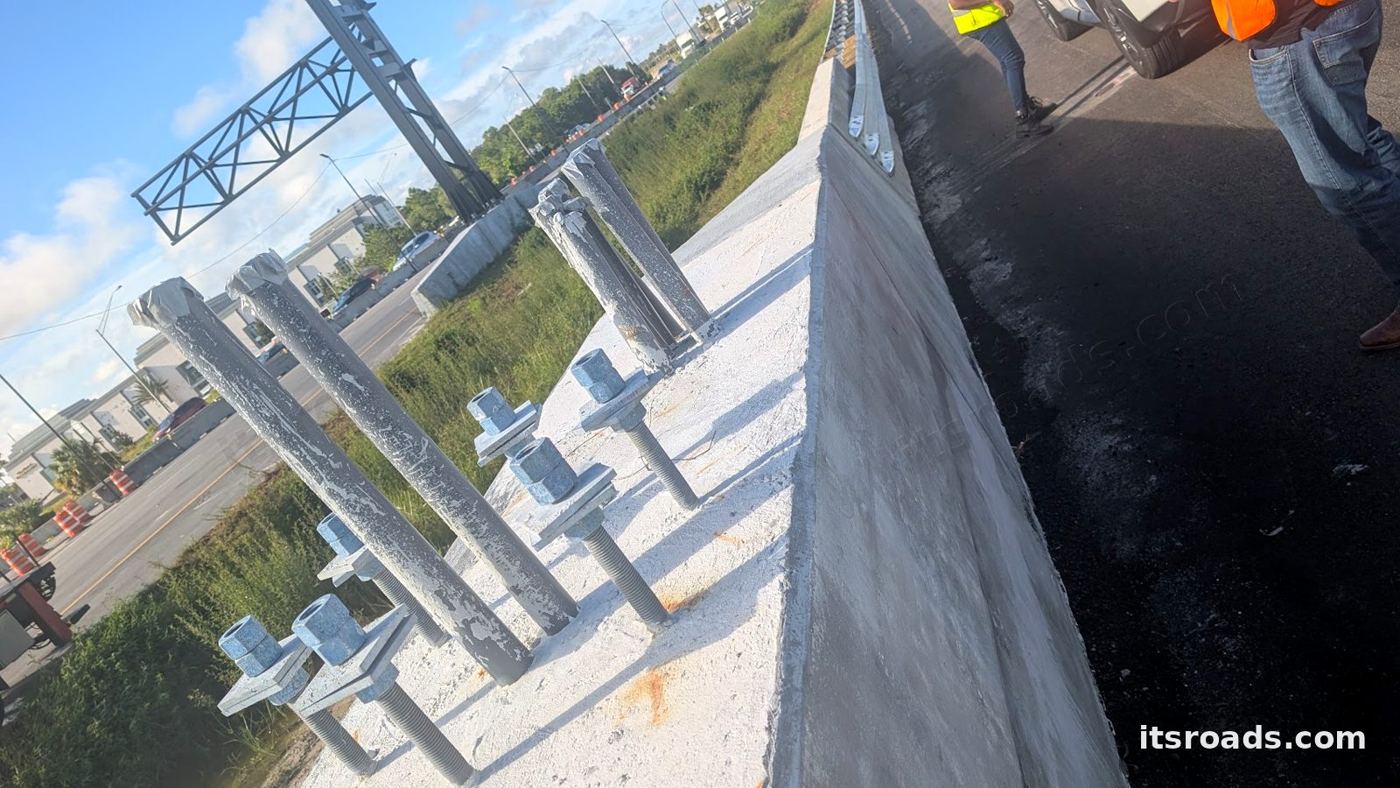
Median barrier foundation with conduits awaiting a camera pole on I-4

Multi-state AI roadway sensing program: roadside camera cabinets, hubs and deployment engineering

Client: Cavnue (program owner), for Florida DOT, Virginia DOT and Tennessee DOT corridorsLocation: I-4 Orlando, FL; I-95 Richmond, VA; I-40 Memphis, TN; concept work in Austin, TXDates: September 2025 to presentRole: Systems architect and systems integrator for the roadside camera platform

ITS Roads is the system architect and integrator for the roadside electronics of a multi-state camera sensing platform deployed on DOT rights of way. We designed the program's standard pole-mounted NEMA 4X stainless camera cabinet: removable subpanel, 48 VDC smart UPS and battery bank, managed PoE switching for up to eight cameras per pole, surge protection on every line, environmental and door sensors, and fiber or 5G backhaul. Walk-in hub cabinets with HVAC, UPS and generator provisions aggregate the corridor.

On I-4 in Florida the program covers dozens of camera poles and several hundred cameras across two segments. ITS Roads produced the bills of materials, power and weight calculations, wiring and network drawings, DOT pole-detail redlines, a 92-page pole-panel assembly and hanging work instruction, pole and hub site acceptance tests in the state's format, a 70-test local device assembly test program with an installation flipbook, and the test-site deployment plan at the state's connected-vehicle proving ground. We built the first cabinets at our Northern Virginia lab, trained the installation contractor's crews, and surveyed barrier-mounted sites to resolve cabinet mounting with the DOT. For I-95 in Virginia we are designer of record for the cabinet and communications system: a system design and deployment document, three configurations including a C-V2X roadside unit option, cellular direct-to-cloud comms with fiber to follow, and cabinets built and burned in at our lab. For I-40 in Tennessee we provide design, system integration plans, interface specifications and interoperability testing support with the program's engineering partners.

NEMA 4X cabinetsPoE / 48 VDCFiber & 5GWork instructionsSAT / LDATC-V2X ready
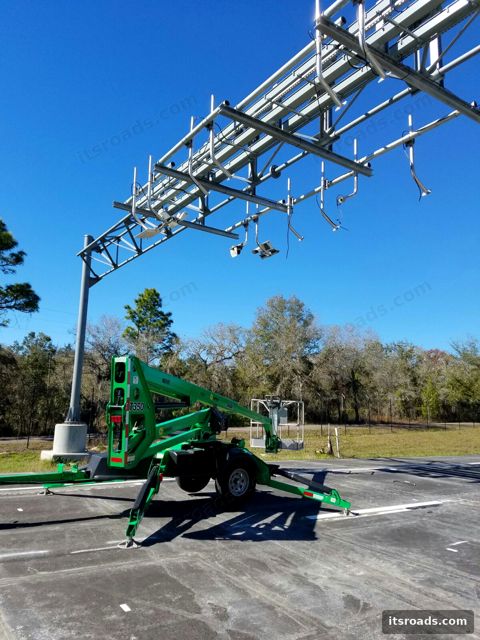
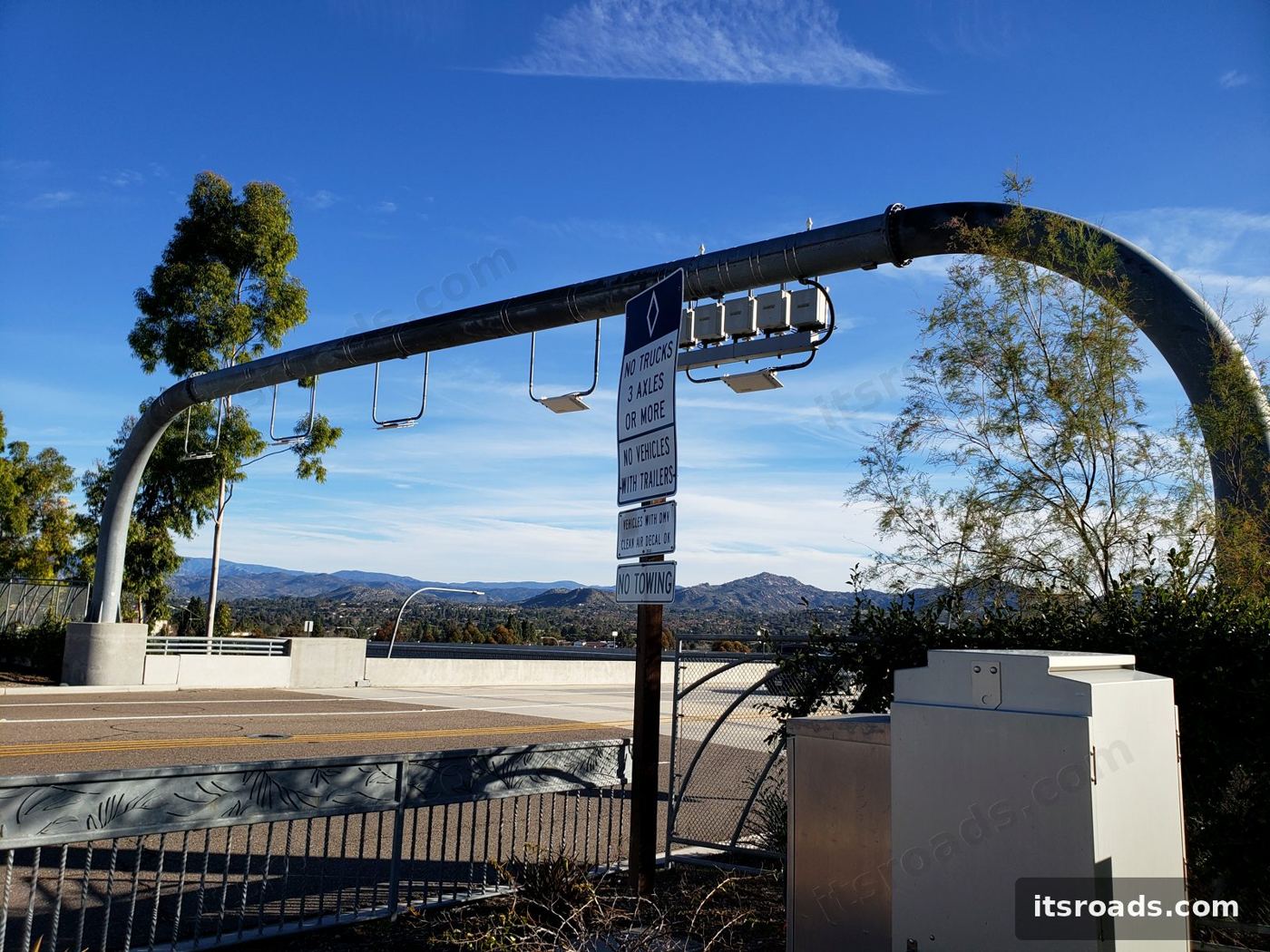
Express lanes toll gantry arch in San Diego

OCTA SR-91 / I-405 and SANDAG I-15 / SR-125 Express Lanes: roadside and host system design

Client: Kapsch TrafficCom USA, for the Orange County Transportation Authority, Riverside County Transportation Commission and San Diego Association of GovernmentsLocation: Orange County and San Diego, CADates: 2018 to 2019Role: Roadside design lead; host system design and site survey lead

Kapsch brought ITS Roads in to lead the roadside system design for an open-road express-lanes retrofit on SR-91 and I-405: requirements review and traceability, gantry and cabinet cabling and conduit typicals, bills of materials for the lanes, CCTV and host, mechanical, electrical and load calculations to the agency's design criteria, maintenance-of-traffic planning and the structural submittal. The task order was expanded to the host: a fully redundant architecture to 99.999% availability with data-center rack drawings and an MTBF trace matrix, delivered on an expedited schedule.

For SANDAG's I-15 and SR-125 express lanes, ITS Roads led all site surveys and the host system detailed design: WAN and gigabit LAN architecture, dual-site failover with a cloud backup alternative, multi-vendor equipment selection for supply-chain redundancy and extended lifecycle, MTBF by server role, power calculations and server-stack drawings. The design package was approved by SANDAG on the first review.

Open road tolling6C AVI99.999% hostSite surveysRTMData center design
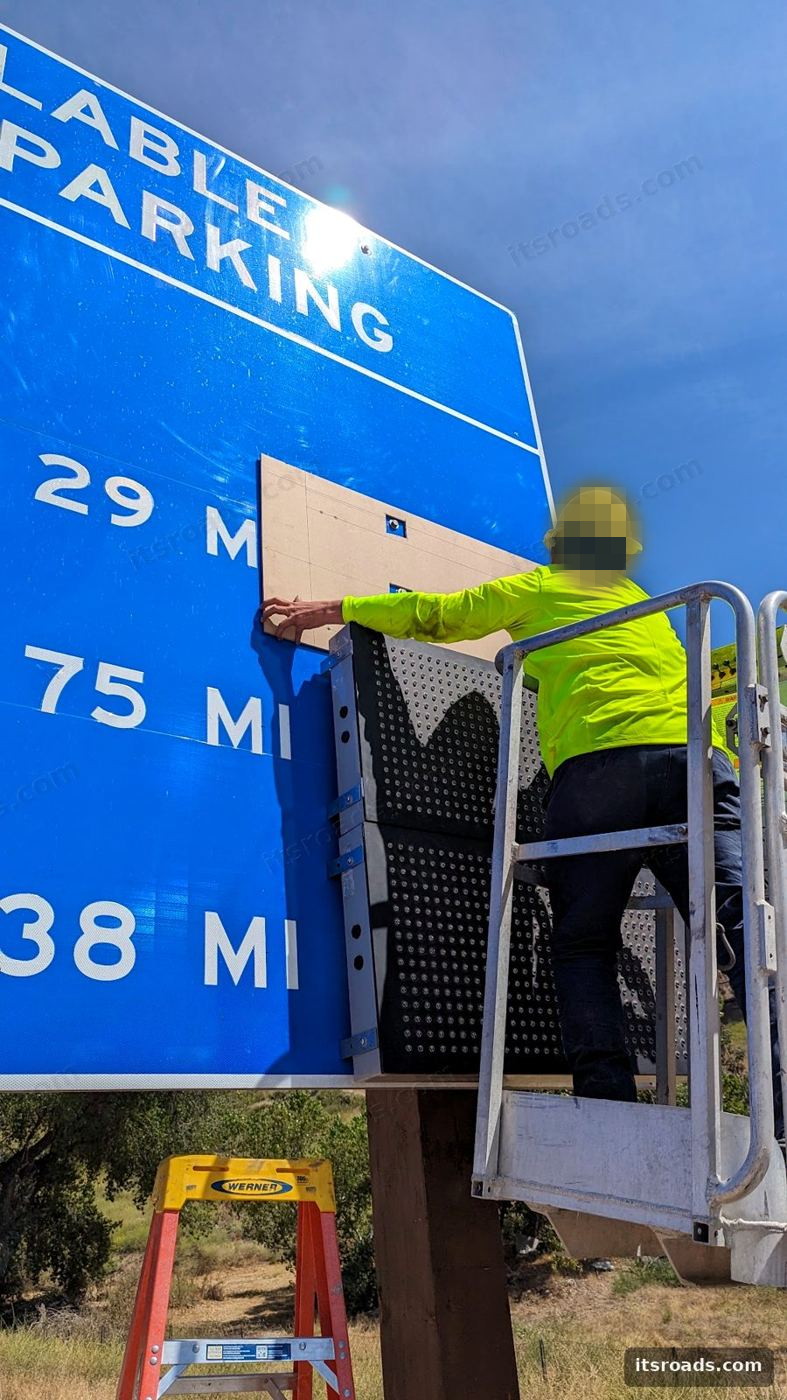
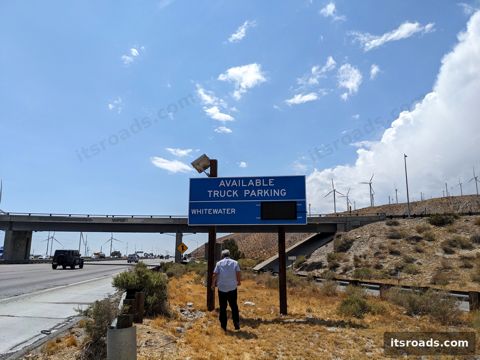
Crew installing a Streetline TPAS availability sign from a bucket truck

Streetline TPAS across eight states: ITS Roads as technology integration partner

Client: Streetline (TPAS is a Streetline application), serving Caltrans, ADOT, FDOT, WisDOT, MDOT, WSDOT, GDOT and TxDOT programsLocation: Interstate rest areas and truck lots in CA, AZ, FL, WI, MD, WA, GA, TXDates: 2024 to presentRole: Systems engineer, designer, estimator, installation support and network operator

TPAS, Streetline's camera-based truck parking availability application, is deployed at interstate rest areas across the country. The application and platform are Streetline's. ITS Roads is Streetline's technology integration partner and delivery team: site design, camera selection and placement, cabinet and power design, cellular and fiber networks, sign integration, state product-approval packages, estimating, installation support and remote operations. Live networks on I-10 in California and Arizona combine detection cameras, pan-tilt-zoom verification cameras, cellular routers, managed PoE switches, remote power control and multi-display availability signs. In Florida a seventeen-camera rest-area system runs on DOT fiber with VPN into the state ATMS, supported by a statewide product-approval package with a cybersecurity plan and attestations. In Wisconsin fourteen camera sites are monitored and maintained remotely, including a fleet-wide cellular router assessment with fixes applied from Virginia. A Maryland welcome-center pilot was designed, built and installed from a single light pole.

Design and bid work includes a 44-camera rest-area expansion with solar power and NEMA 3R cabinets in Arizona, an eighteen-site corridor proposal in Texas reusing DOT camera poles, a statewide turnkey bid in Georgia that earned the highest technical score, and a prototype solar camera node with ten days of measured battery reserve.

Systems integrationVideo detectionDMS signsCellularSolar511 / ATMSRemote O&M
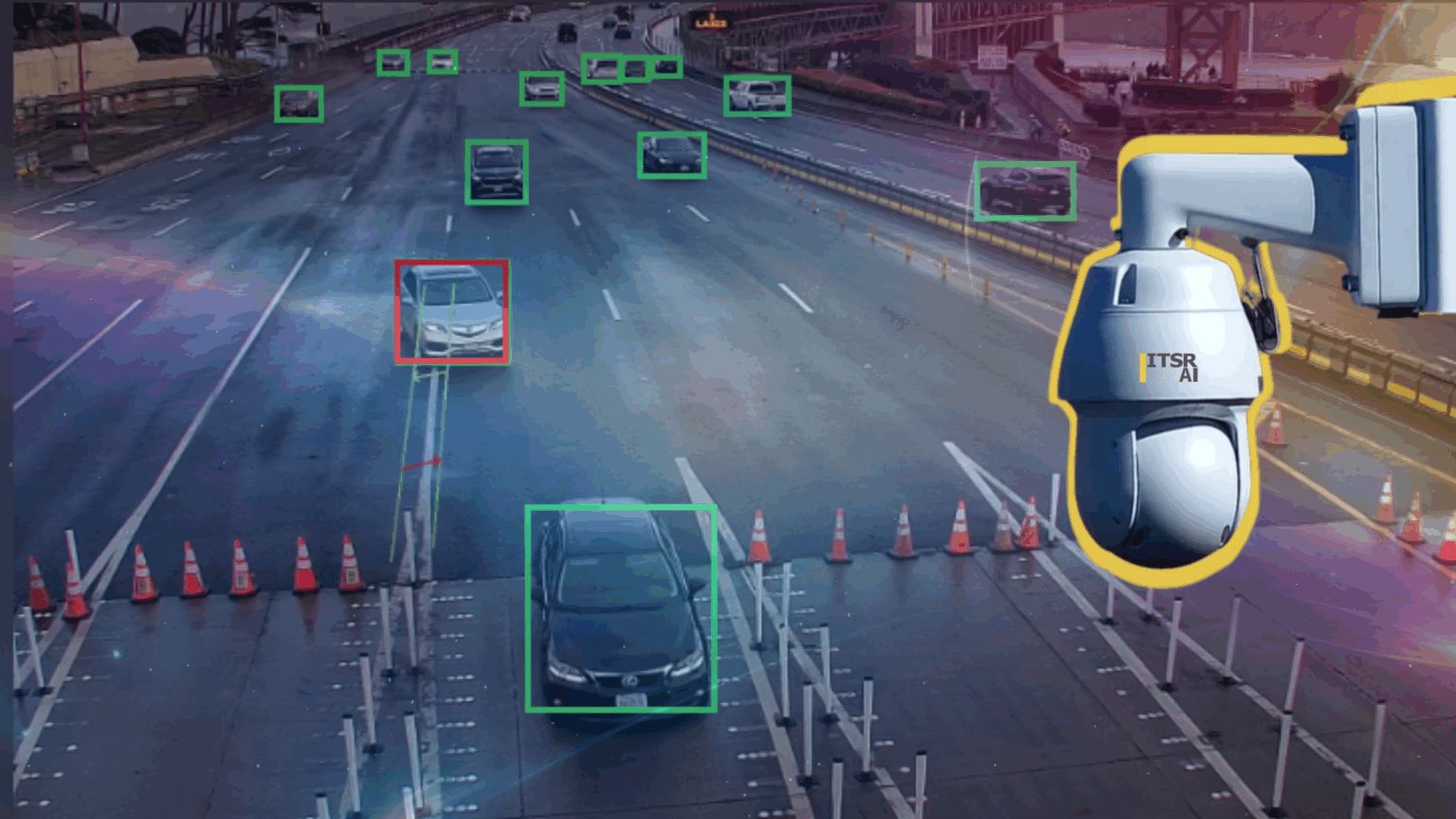
Vision AI detection overlay on vehicles approaching toll lanes

Landmark bridge corridor: camera-vision toll audit, multimodal counting and next-generation tolling support

Client: A nationally recognized bridge and transit authority on the West Coast, under a direct contract for the camera-vision systemLocation: San Francisco Bay Area, CADates: Pilot 2024; production 2025 to presentRole: Prime vendor for the camera-vision system (ITSR AI brand); tolling roadside consultant on the toll system replacement

The authority wanted an independent, camera-based count and classification of traffic through its toll lanes to audit the electronic toll collection system and inform operations. ITS Roads supplied and configured cameras, PoE switches, routers and surge protection on existing structures and communications the bridge already owned, with cloud analytics, dashboards and user security. A six-month parallel pilot against the existing detection system showed 95 to 99 percent agreement, and the system now runs 24/7 across sixteen monitored vehicle, pedestrian and bicycle lanes on a structure carrying roughly 100,000 vehicles a day, with no lane closures and no pavement work. Results are being presented at the Transportation Research Board annual meeting.

ITS Roads also operates the network operations center for the bridge and ferry camera estate, and serves as tolling roadside consultant on the authority's replacement toll collection system procurement: requirements and traceability, cybersecurity requirements, gantry constraints from an eighty-sheet drawing review, procurement strategy and the RFP package.

Camera vision AIToll auditPed / bike counts24/7 NOCORT procurementRFP development
Aerial view of vehicles and pedestrians at a waterfront intersection

Regional ferry terminals: bicycle and pedestrian counting with cellular edge kits

Client: The same West Coast bridge and transit authority, under direct contractLocation: Four ferry terminals on the San Francisco BayDates: 2026 to presentRole: Design, supply, deployment, analytics and O&M

Five weatherproof cameras at four ferry terminals, each with a dual-SIM cellular edge router pre-configured and burn-in tested at our Northern Virginia lab, feed a counting dashboard that attributes boardings and disembarkings to each scheduled trip and separates a second operator sharing one ramp. Deliverables included the system design package, bill of materials, cabinet wiring diagram, cable schedule, IP and SIM plan and deployment checklists. The terminal kits are monitored from the same NOC as the bridge. No video is retained.

4 terminalsDual-carrier 5G/LTETimetable reconciliationNo video retained
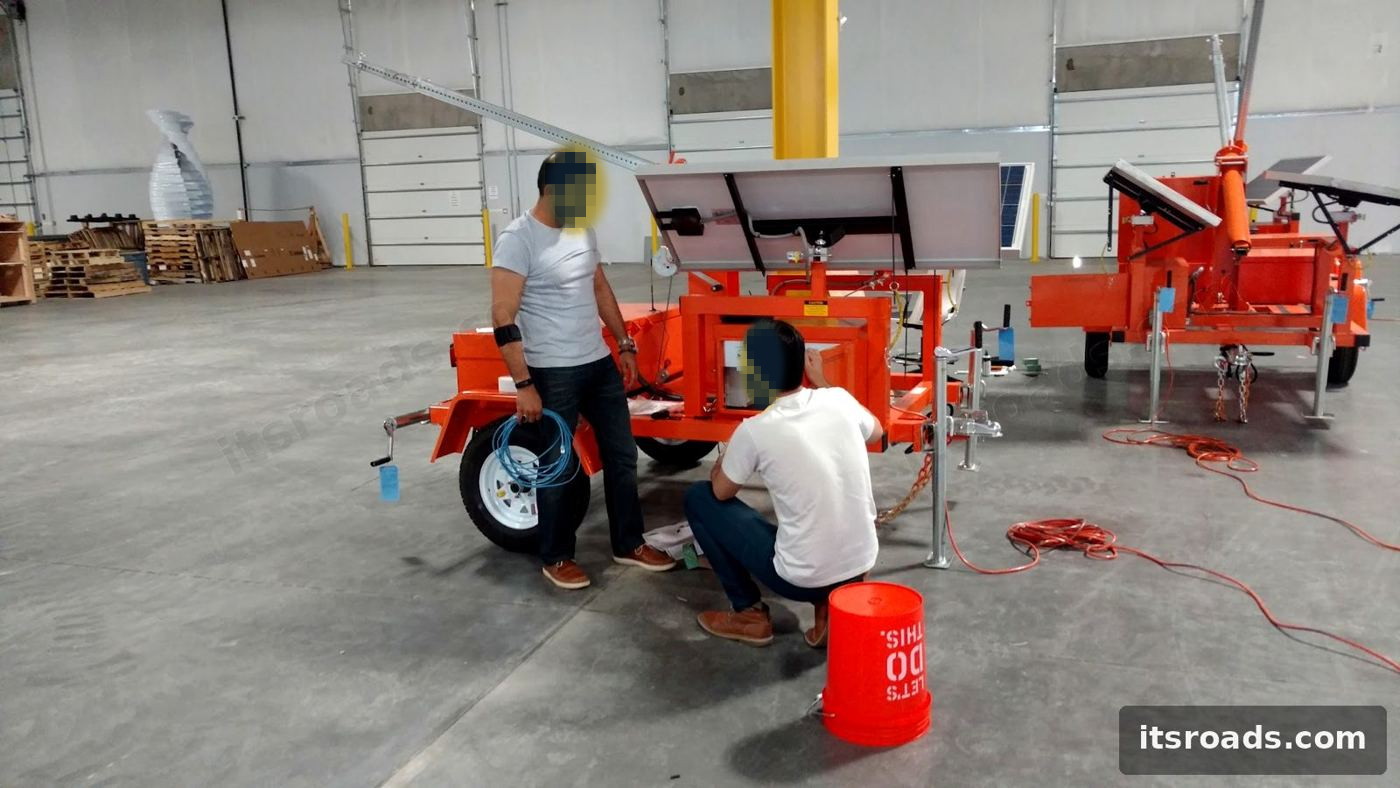
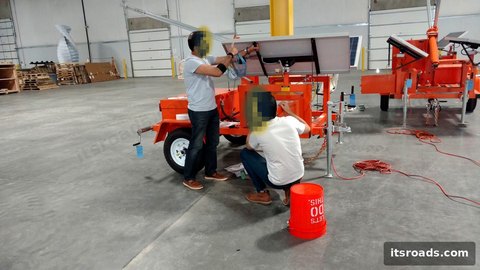
Solar-powered mobile RSU trailer under construction in the lab

Peña Station NEXT: Colorado's first connected-vehicle roadside deployment

Client: Panasonic Corporation of North America and Colorado DOT (V2X Program Phase 0)Location: Denver, CODates: 2017Role: Project engineer: designed and built all roadside, network and backend infrastructure

A new development with no utility power or backend connectivity was to become a proving ground for connected-vehicle applications on an exceedingly short timetable. ITS Roads designed an end-to-end communication platform: a gigabit fiber ring for availability, utility power, six custom pole-mounted electronics cabinets with network and environmental monitoring, three trailer-mounted mobile roadside units, pole-mounted RSU builds, Juniper switching, a backend data-center build-out, SNMP monitoring, RF surveys with KML visualization and FCC licensing for every radio site, followed by staff training and O&M support. The deployment became the cornerstone of CDOT's RoadX program.

DSRC / V2XFiber ringMobile RSU trailersFCC licensingSNMP monitoring
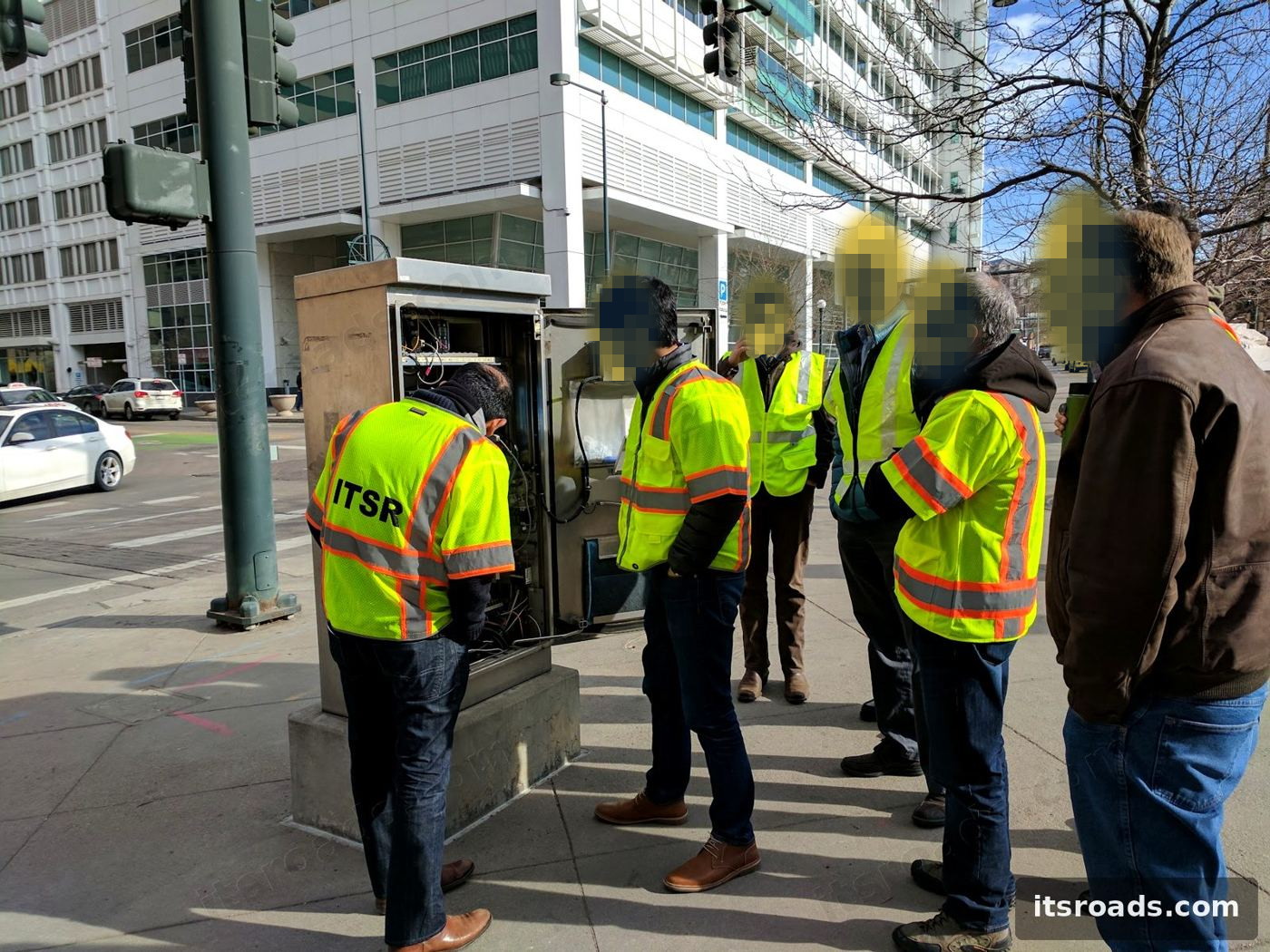
ITS Roads crew with city staff at a Denver intersection cabinet

City and County of Denver: ITS network assessment, smart-city readiness and the downtown Living Lab

Client: Denver Public Works and Technical Services, through Jacobs, then direct on-callLocation: Denver, CODates: 2016 to 2018Role: Chief engineer; strategic partner for design, deployment and operation

Before adopting connected-vehicle technology, Denver needed an inventory of every network asset and its bandwidth use, and a plan to grow without widening its exposure to cyberattack. ITS Roads cataloged assets, analyzed capacity and vulnerability across twelve fiber hubs, mapped the network topology and delivered a prioritized modernization roadmap, supported a smart-cities intelligent-vehicle scope for a federal advanced-technology grant program, and demonstrated RSU and onboard-unit operation at the city's traffic management center. Under a follow-on on-call contract ITS Roads designed, deployed and operated a six-intersection downtown Living Lab with a 25-vehicle onboard-unit fleet so staff could test new technology before large-scale deployment.

Network assessment12 fiber hubsLiving LabCV pilotRoadmap
Map visualization of a cellular coverage drive survey along Interstate 70 west of Denver

CDOT I-70 Mountain Corridor Connected Vehicle Pilot (RoadX): concept of operations, architecture and corridor coverage survey

Client: Colorado DOT, through JacobsLocation: Denver to Vail Pass, 90 milesDates: 2016Role: Chief engineer and solutions architect

ITS Roads led the preliminary systems engineering for a Connected Vehicle Operational Environment on the state's most demanding corridor: user needs, concept of operations and requirements, a modular backend architecture integrating with the Colorado Traffic Management System, an ITS inventory and a security plan. Using a bottom-up approach, the design safeguarded every existing system while creating a platform for gradual roll-out of new roadside hardware and applications.

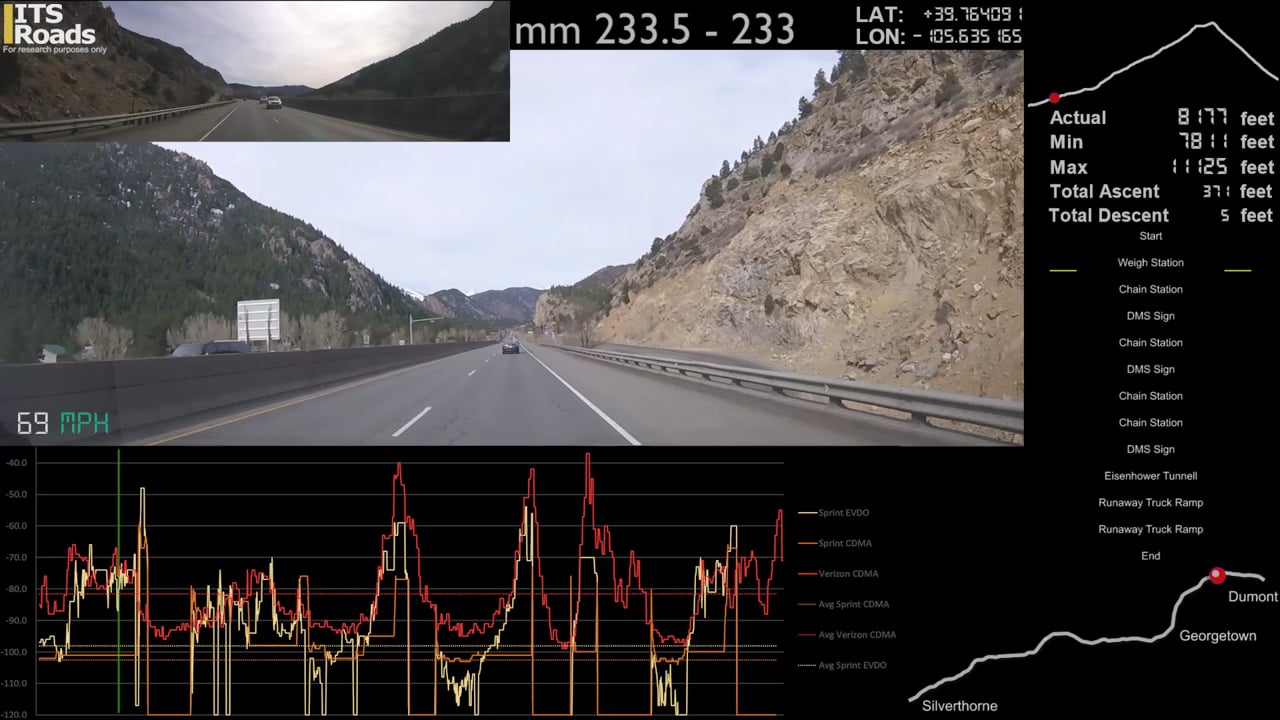
As part of the project ITS Roads conducted a cellular signal-strength and coverage survey of the corridor connecting downtown Denver to the mountain resorts. Video, GPS and radio-frequency instruments were combined into the data visualization below. All collection, reduction and visualization was done in house. The work was the foundation of the first successful state-funded connected-vehicle pilot program.

Still from the ITS Roads I-70 cellular coverage survey video

I-70 corridor cellular coverage survey: GPS, RF survey receiver and video, visualized by ITS Roads (28 min)

ConOpsCV backend architectureCoverage surveysData visualizationSecurity plan
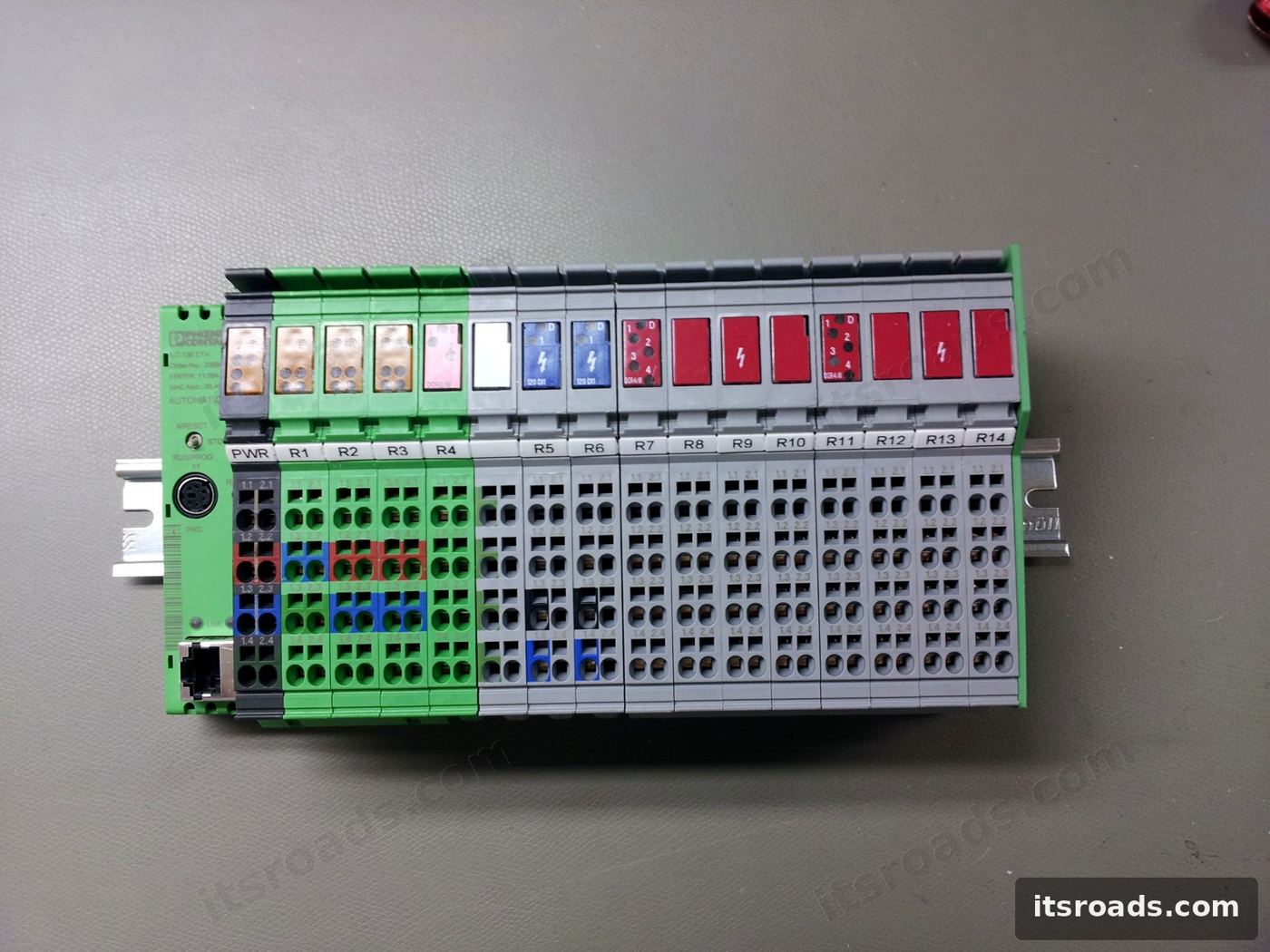
DIN-rail I/O controller assembled for a toll lane cabinet

Florida's Turnpike Enterprise: open road tolling proof of concept and lane expansion

Client: Xerox / Conduent, for Florida's Turnpike EnterpriseLocation: Tampa and Springhill, FL; cabinets pre-assembled at our Northern Virginia labDates: 2016 to 2017Role: Senior systems engineer; design and implementation lead

Selected as part of a multi-award bid to design a comprehensive open-road tolling upgrade, the client needed a demonstration system on an expedited timeline. ITS Roads pre-assembled and configured all roadside electronics cabinets and gantry equipment off-site at our Northern Virginia lab, then directed construction, electrical, hardware and software teams on site to bring the system up in under 45 days. The agency's initial qualification testing ran 280 scenarios over two days of continuous testing with zero errors. Follow-on work included lane and plaza host deployment, back-panel builds, conversion of digital I/O to industrial controllers with Modbus and SNMP, proximity-card reader integration and configuration guides.

ORTCabinet pre-assemblyIQT: zero errorsIndustrial I/O
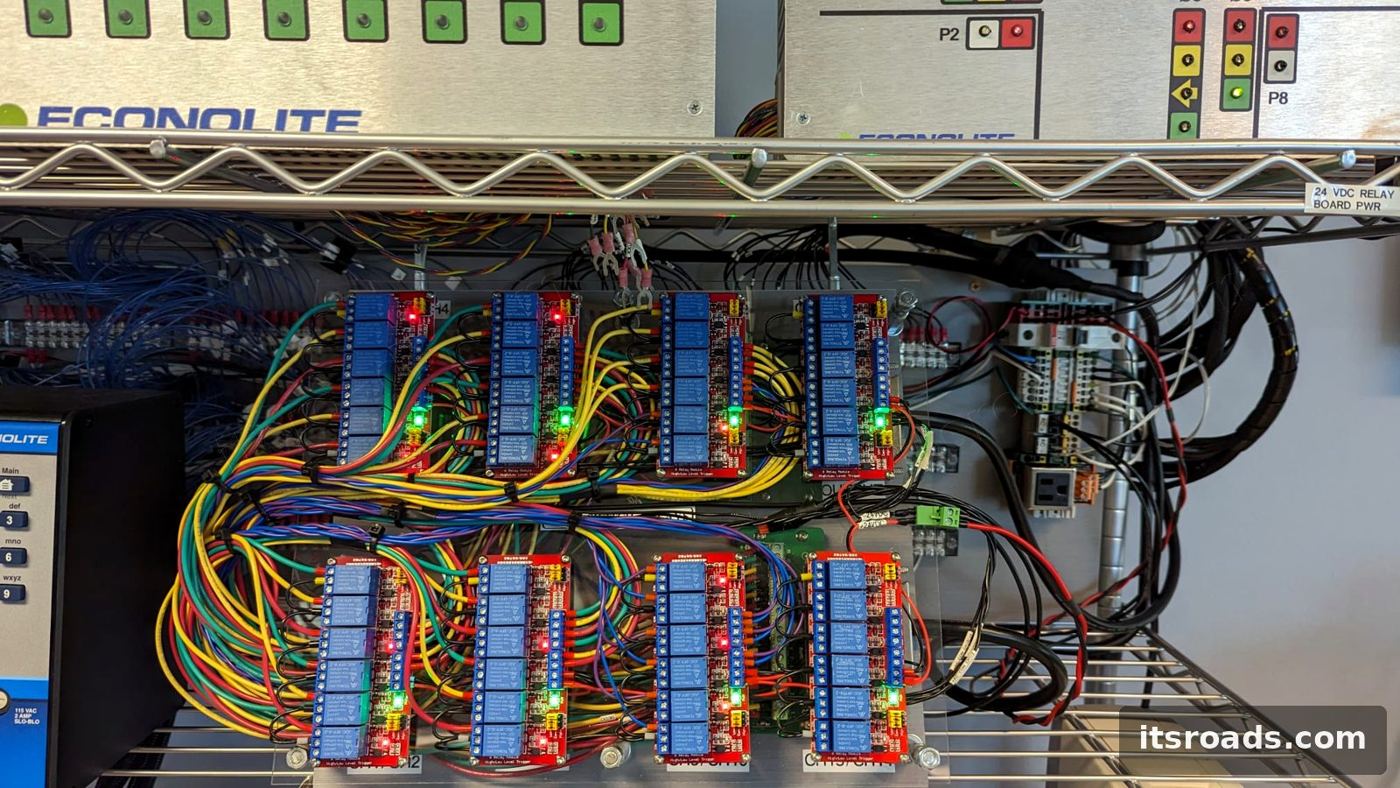
Wiring harness on the connected-vehicle test bench

FHWA connected-vehicle hardware independent testing: V2I reference implementation stress and compliance tests

Client: Battelle, for the Federal Highway AdministrationLocation: Turner-Fairbank Highway Research Center, McLean, VADates: 2015 to 2018Role: Validation and test lead

A non-profit contractor was designing new connected-vehicle infrastructure guidance for states deploying roadside equipment, and needed independent, repeatable test data. ITS Roads led bench and field testing of the V2I Hub reference implementation on roadside units from two manufacturers: latency and resource characterization in multiple configurations, test network design, DSRC message capture and parsing, and iterative tests on existing and dedicated hardware, so that national deployment guidance would minimize cost, preserve interoperability and reduce the need for future upgrades.

V2I HubRSU testingInteroperabilityDeployment guidance
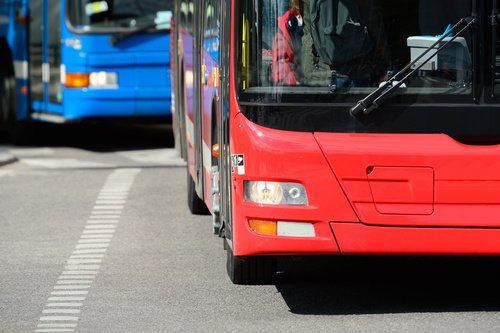
City transit bus at a stop with pedestrians nearby

Vehicle-to-infrastructure pedestrian safety evaluation on a city bus network

Client: A national government contractor, in partnership with a public transit agency, for the Federal Transit AdministrationLocation: Cleveland, OHDates: 2017 to 2018Role: Independent evaluator

A connected-vehicle pedestrian-safety prototype combined roadside sensors, in-vehicle displays and backend processing to warn bus drivers of potential collisions with pedestrians and adjacent objects. Before the prototype was expanded, ITS Roads created the evaluation plan, validated it with stakeholders through iterative development and defined every metric: false alarm rate, collision reduction, cost savings, reduction of service disruptions, mobility and reliability, and driver acceptance. The evaluation covered roadside sensors, the human-machine interface and backend data processing, with log analysis, safety-impact and return-on-investment findings.

Transit safetyEvaluation planFalse-alarm analysisROI
Engineer working on network rack equipment

Network overhaul and cybersecurity for a defense-analytics firm

Client: A Washington, DC consulting firm serving the intelligence community and allied governmentsLocation: Washington, DCDates: 2015 to 2016Role: Solutions architect

Operating in a medium-to-high threat environment on a consumer-grade router, the client needed a network that could support growth without exposing sensitive data. ITS Roads assessed the network and its risks, documented every configuration, and designed and implemented an upgrade: VLAN segmentation, quality-of-service rules, a firewall with active intrusion prevention, gigabit cabling to every workstation, equipment in a locked cabinet inside an access-controlled room, two-factor authentication and data-transport best practices, with an implementation plan that minimized downtime.

Network designCybersecurityVLAN / QoS2FA
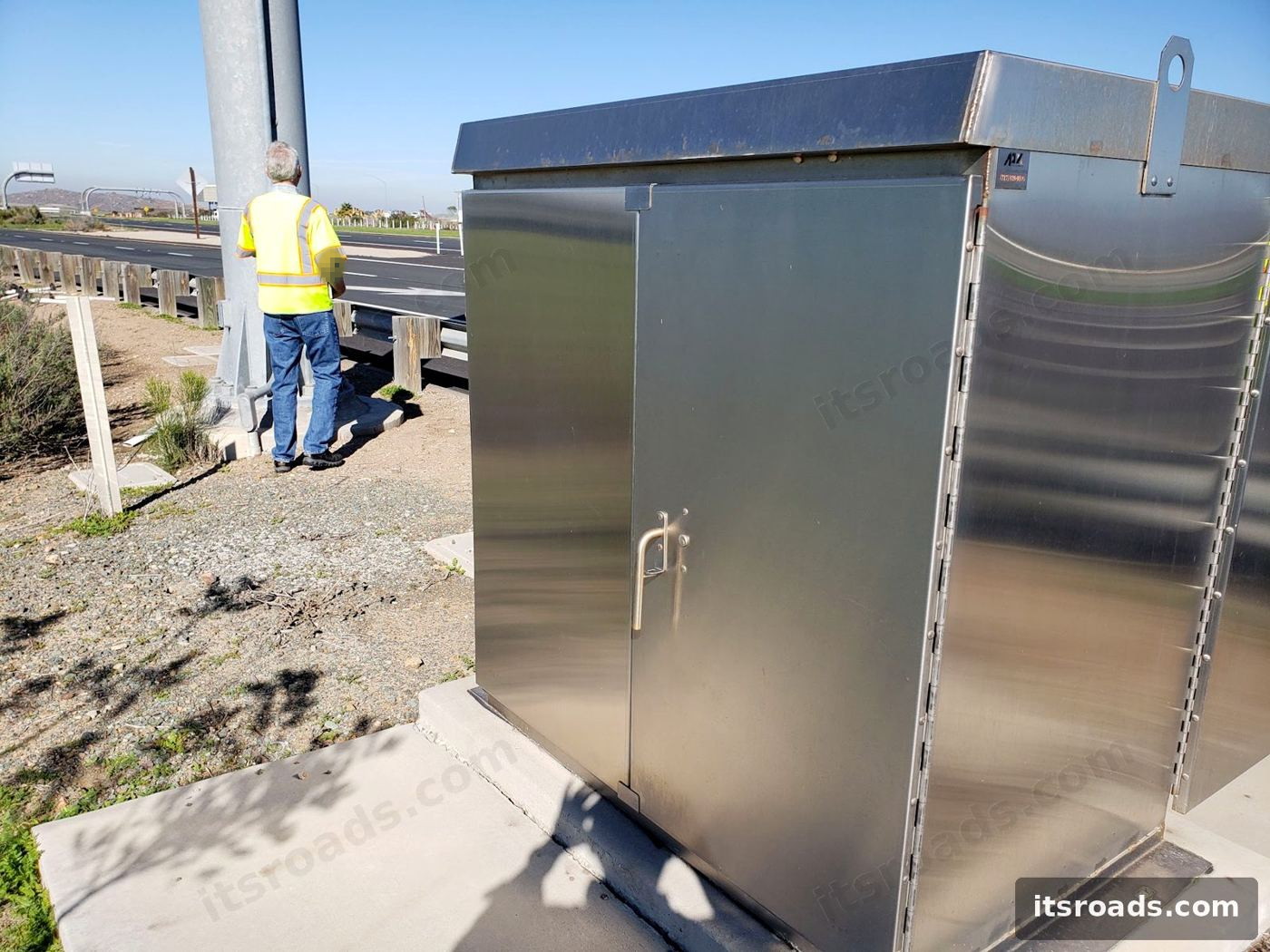
Stainless roadside cabinet installed beside a highway

Ports, drayage and roadside readers: Port of San Diego truck-route enforcement and Port of Oakland programs

Client: ZDEVCO and Streetline, for the Port of San Diego and the Port of OaklandLocation: San Diego and Oakland, CADates: 2025 to 2026Role: Technical proposal, architecture, pricing, cybersecurity review kit; senior systems engineer

As technology integration partner to ZDEVCO, ITS Roads developed the technical solution, architecture, pricing and the information-security review package for an off-terminal truck route enforcement system combining roadside RFID, Bluetooth and MAC-address readers, GPS trackers and a cloud fleet platform, recommended for award in 2026. For a zero-emission drayage truck loaner program at the Port of Oakland, ITS Roads served as senior systems engineer for telematics architecture, data access and cybersecurity on a team ranked first of six. Related platform work includes port yard management integrating AI license-plate cameras for gate transactions.

Roadside readersTelematicsInfoSec packageCloud platform
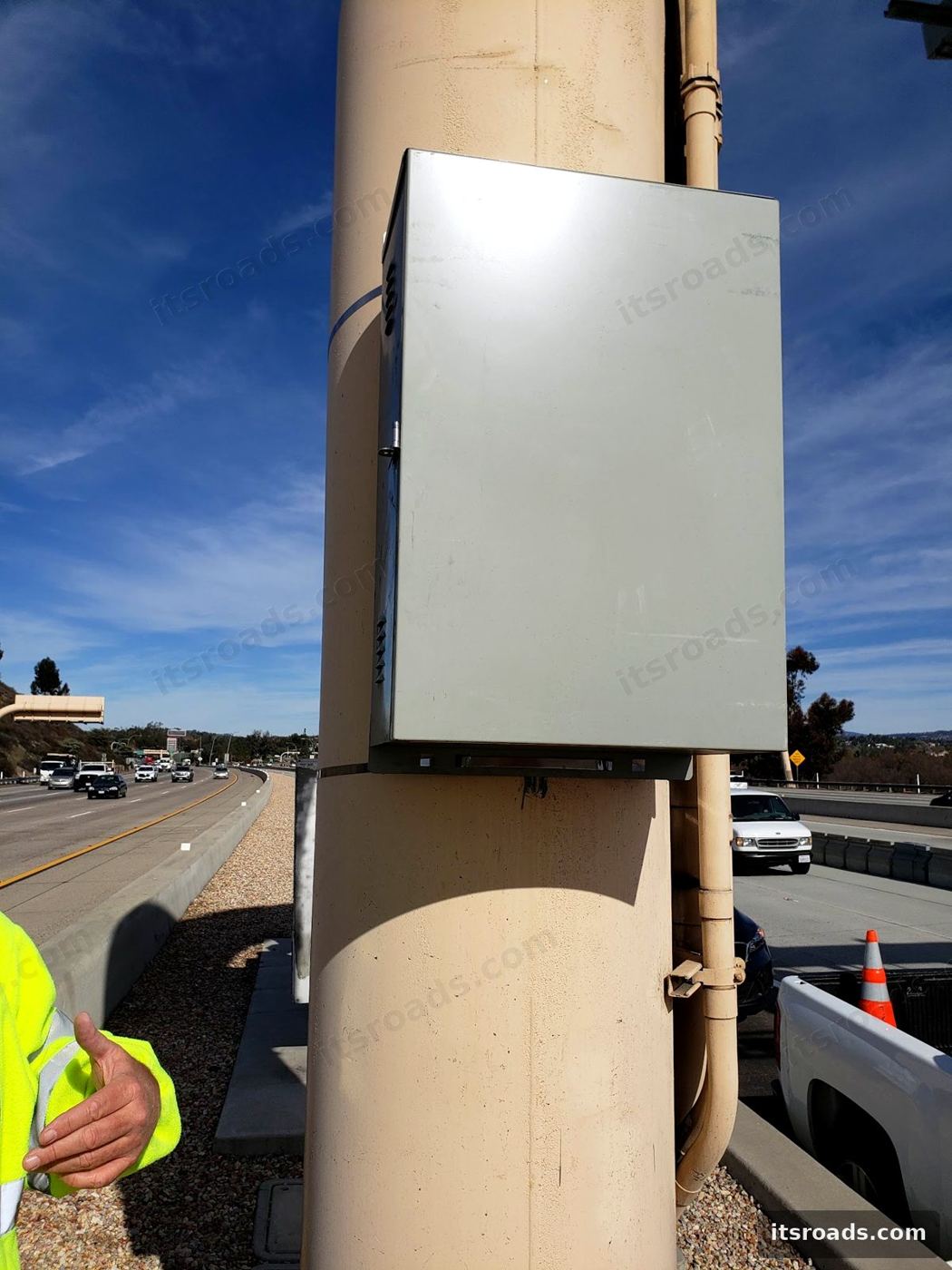
Pole-mounted enclosure for network electronics

Commercial campus sensor, gate-counting and parking-sign networks

Client: Streetline, for Fortune 100 campus operators and a biotechnology campusLocation: Cupertino, CA; Redmond, WA; Tarrytown, NYDates: 2025 to 2026Role: Network engineer and developer

As Streetline's technology integration partner, for corporate campuses ITS Roads engineered a cloud gate-counting platform that reads barrier-gate relay contacts through cellular industrial routers, designed and remediated a parking-sign network with cellular backup behind the campus enterprise network including the IT connectivity request and documentation, and developed a parking-garage lidar and EV-space detection concept. The same disciplines as our DOT work: outdoor enclosures, cellular backhaul, documented networks and monitoring.

Gate countingSign networksCellular backupEnterprise IT onboarding
Engineer working at a laptop in a lab

Federal and airport IT modernization

Client: A federal financial-services bureau through a prime contractor; King County International Airport (Boeing Field)Location: Washington, DC region; Seattle, WADates: 2022 to 2026Role: Senior software developer; technology subject-matter expert

ITS Roads reverse-engineered a legacy background-investigations application for a federal bureau, documented its security findings and delivered a replatforming plan with an implementation schedule. For King County's airport, ITS Roads assessed IT systems, applications and documentation, interviewed stakeholders and delivered a prioritized modernization framework and investment strategy.

Legacy modernizationSecurity findingsIT strategy
From the field

Photographs from our deployments

Every tile cycles through one topic. Open it to scroll through the full set of photographs taken by our engineers and crews on site and in the lab.

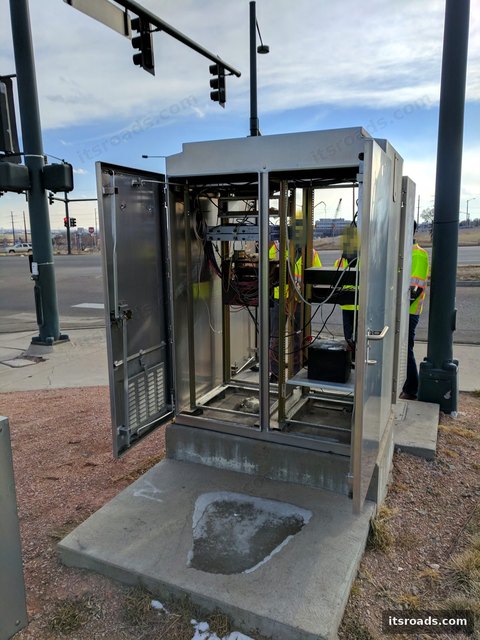
Open stainless steel roadside cabinet with equipment rack beside signal poles
Cabinets, panels and enclosures — 16 photos from our deployments
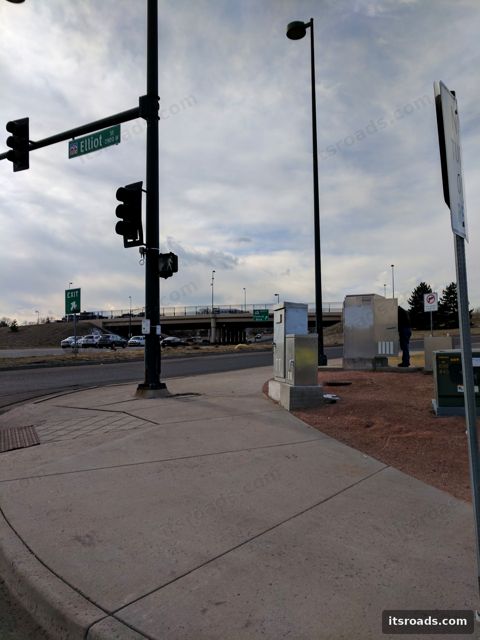
Signal pole and cabinet at an intersection under overcast sky
Roadside deployments — 15 photos from our deployments
Streetline TPAS availability sign over a highway with technician below
Signs and dynamic message panels — 14 photos from our deployments
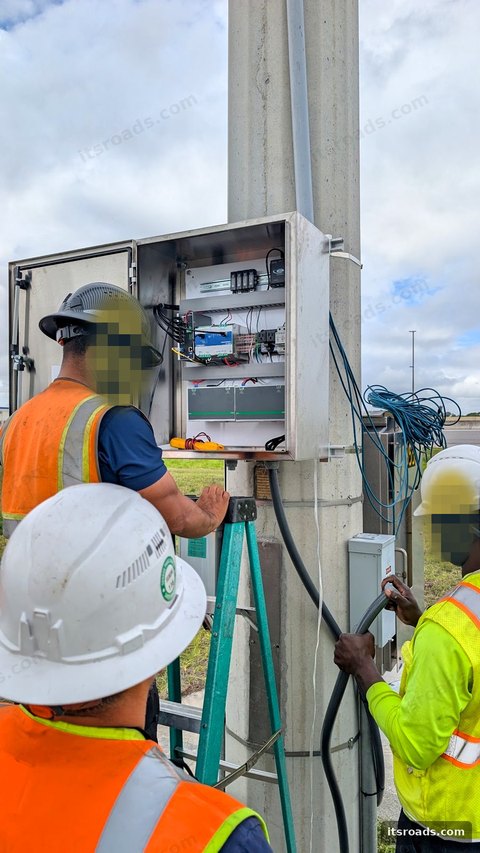
Technicians in hard hats at an open pole-mounted cabinet
Crews at work — 15 photos from our deployments
Toll gantry with readers and boom lift under blue sky
Tolling and express lanes — 16 photos from our deployments
Solar-powered trailer in a warehouse with two technicians
Solar-powered field equipment — 10 photos from our deployments
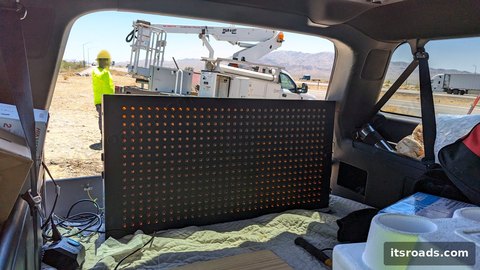
LED message panel bench-tested inside a vehicle
Bench and test setups — 14 photos from our deployments
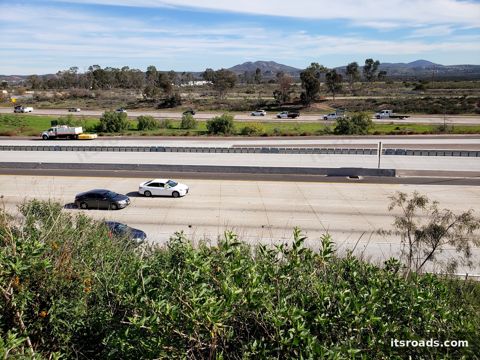
Highway seen from a brush embankment
Highways and camera views — 10 photos from our deployments
Before ITS Roads

Programs led by our principal, 1998 to 2015

FHWA Turner-Fairbank, 2009 to 2015

Designed and deployed the Saxton Transportation Operations Laboratory and national test-bed monitoring; co-authored the fourth-generation DSRC RSU requirements and CAV equipment specifications; developed the Safety Pilot research qualified products list; SCMS field operational testing; designed USDOT's first CARMA fleet and the first fully automated speed-control prototype, demonstrated in under eight months.

ACS / Xerox tolling and CVO, 2001 to 2009

First-of-kind seven-lane open road tolling, New Jersey Turnpike and Port Authority ORT, PrePass roadside-to-backend overhaul as chief systems engineer, Florida's Turnpike electronic toll lanes recognized with the ACS/Xerox Excellence Award, Bay Area bridge tolling, Maryland Transportation Authority violation enforcement delivered in under a month, and nationwide toll O&M.

Oklahoma DOT and early data centers

Architecture and engineering lead for eight port-of-entry e-screening sites with highway-speed profiling for freight bypass; and, from 1998, the design, build and operation of some of the first commercial data centers in the United States.

References available on request

Agency and prime-contractor references are provided privately to qualified prospects.

Request references